You Won’t Believe What I Found Shopping in Tirana
Tirana, Albania’s vibrant capital, is a treasure trove of unexpected finds. Far from crowded tourist hubs, its streets buzz with local life and authentic charm. I went looking for souvenirs but discovered so much more—handmade crafts, bold fashion, and markets alive with color and energy. This isn’t your typical shopping scene; it’s a cultural experience in disguise. If you’re craving something real, raw, and refreshingly offbeat, Tirana’s retail heartbeat might just surprise you.
Why Tirana? The Allure of an Overlooked Capital
Tirana has long lived in the shadow of Europe’s more celebrated capitals, yet this very obscurity is part of its appeal. Unlike the packed boulevards of Paris or the cruise-ship-lined alleys of Dubrovnik, Tirana moves at a human pace. Its streets are filled not with souvenir chains, but with the rhythm of everyday life—children on bicycles, elders sipping coffee in shaded squares, and shopkeepers arranging baskets of figs and olives. This sense of authenticity makes the city a quiet revelation for travelers seeking connection over convenience.
The city’s layered history shapes its modern identity in ways that few capitals do. Ottoman-era mosques stand beside socialist-era concrete buildings, now repainted in bright pastels as part of a municipal beautification project. This blend of architectural styles mirrors the city’s evolving spirit—one that honors tradition while embracing change. In the realm of shopping, this means you’ll find both centuries-old craftsmanship and bold, contemporary design, often within blocks of each other.
Because Tirana remains relatively under-visited compared to other European destinations, the commercial experience feels refreshingly uncurated. There are no overpriced tourist traps on every corner, no crowds jostling for space in boutique alleys. Instead, vendors engage with curiosity rather than expectation. They’re often delighted when a visitor shows genuine interest in their products. This openness invites a deeper kind of engagement—one rooted in mutual respect rather than transactional exchange.
For the discerning traveler, Tirana offers a rare opportunity: to shop not as a consumer, but as a participant. Whether browsing handwoven textiles or sampling local cheeses, the experience feels personal, grounded in the lives of the people who make and sell them. In a world where so much travel feels predictable, Tirana stands apart as a place where discovery still feels possible.
Blloku Reimagined: From Elite Enclave to Trendy Shopping Zone
Once the exclusive neighborhood of Albania’s communist elite, Blloku has transformed into Tirana’s most dynamic district for contemporary shopping and culture. In the 1990s, after the fall of the regime, the area opened to the public, and its wide boulevards and leafy sidewalks became a canvas for new expression. Today, it pulses with life—cafés spill onto cobblestone plazas, street artists paint murals on repurposed walls, and independent boutiques showcase the work of a new generation of Albanian designers.
Walking through Blloku feels like stepping into a living catalog of modern Albanian style. Small storefronts display handcrafted leather bags, minimalist silver jewelry, and clothing lines that blend traditional motifs with urban silhouettes. One boutique featured a dress embroidered with patterns inspired by northern Albanian tribal garments, reimagined in soft cotton and modern cuts. Another sold hand-stitched shoes made from locally sourced leather, each pair reflecting hours of meticulous work.
What stands out in Blloku is the sense of ownership young entrepreneurs have over their creations. Many of the shop owners are designers themselves, often trained abroad but drawn back to Tirana by a desire to contribute to its cultural revival. Their stores are not just retail spaces but creative studios—places where visitors can ask questions, learn about the design process, and even commission custom pieces.
The atmosphere is relaxed, inviting. Unlike high-pressure shopping districts in larger cities, Blloku encourages browsing without obligation. A shopkeeper might offer a glass of herbal tea while you examine a necklace, or share stories about how a particular fabric was sourced from a village in the Albanian Alps. These small gestures transform shopping from a routine task into a meaningful exchange.
Dajti Market: A Sensory Journey Through Local Life
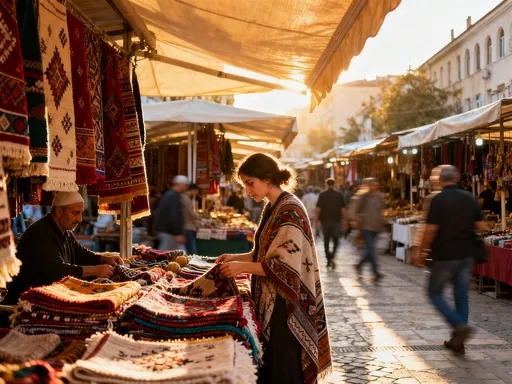
If Blloku represents Tirana’s fashionable present, Dajti Market embodies its enduring soul. One of the city’s largest open-air markets, Dajti is less a tourist destination than a vital hub for daily life. Arriving early in the morning, the air is thick with the scent of fresh basil, ripe peaches, and smoky grilled peppers. Vendors call out prices in rhythmic Albanian, their stalls overflowing with seasonal produce, dried herbs, and homemade dairy products.
The market is organized in loose sections—rows of fruit and vegetables, a cluster of meat and poultry stands, another dedicated to household goods and textiles. But what truly defines Dajti is its continuity. Many vendors are second- or third-generation sellers, their families having worked these same spots for decades. One woman proudly showed me a photograph of her mother standing at the same stall in the 1980s, surrounded by baskets of figs and walnuts.
For visitors, navigating Dajti is as much about observation as participation. Locals arrive with reusable cloth bags, haggling gently over the price of cucumbers or selecting cheeses based on texture and aroma. While bargaining is common, it’s done with warmth, not aggression. A smile and a polite phrase in Albanian—like "Sa kushton?" (How much?)—can open doors to conversation and connection.
Among the most fascinating offerings are the dried herbs and mountain teas. Bundles of thyme, oregano, and mountain mint are tied with twine and hung from wooden beams. One vendor explained that her family gathers these wild plants from the slopes of Mount Dajti, just outside the city. She offered a sample of a tea blend said to aid digestion, brewed fresh on a small stove behind her stand. The experience was simple, yet deeply grounding—a reminder that food and commerce are not just transactions, but acts of cultural preservation.
Crafting Identity: Artisan Shops and Handmade Treasures
Beyond the markets and boutiques, Tirana’s artisan workshops offer a direct link to Albania’s rich craft traditions. These small, often family-run studios specialize in techniques passed down through generations—filigree metalwork, hand-loomed textiles, and hand-thrown pottery. Each piece carries the mark of its maker, a testament to patience, skill, and cultural memory.
In the city center, I visited a silver filigree studio tucked above a bakery. Inside, an elderly craftsman bent over a magnifying glass, twisting fine threads of silver into intricate floral patterns. His hands moved with quiet precision, shaping earrings and pendants that echoed designs worn by Albanian women for centuries. He explained that filigree was once a regional specialty, particularly in the town of Krujë, and that each motif carried symbolic meaning—protection, fertility, or prosperity.
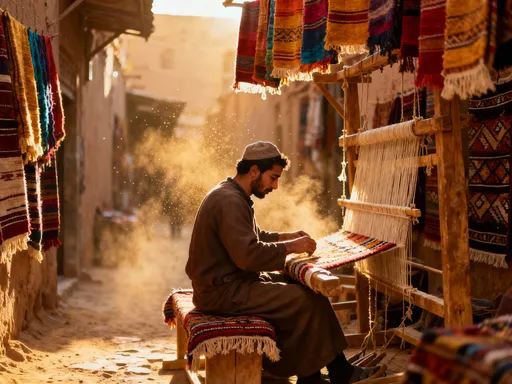
Near the National Museum, another workshop focused on traditional weaving. A mother and daughter team worked at a wooden loom, their fingers flying as they created a striped woolen shawl in deep indigo and crimson. The patterns were based on those worn by women in the northern highlands, where clothing was not just functional but a form of identity. Visitors can watch the process, ask questions, and even try their hand at a few passes of the shuttle—though the result is usually more humorous than masterful.
What makes these artisan experiences so valuable is their transparency. There’s no mass production, no hidden supply chain. You see the raw materials, meet the makers, and understand the time invested in each piece. A ceramic bowl, hand-thrown and wood-fired, may cost more than a factory-made version, but it carries a story—one of resilience, heritage, and personal dedication. For travelers, purchasing such items becomes an act of support, not just for the individual artisan, but for the survival of an entire cultural tradition.
Street Style & Secondhand Gems: Thrifting the Tirana Way
In recent years, Tirana has seen a quiet revolution in fashion—one that values sustainability, individuality, and affordability. Thrift stores and vintage pop-ups have sprung up across the city, particularly in neighborhoods like Blloku and along Rruga e Dibrës. These spaces cater to a younger, eco-conscious generation, but they also offer rich rewards for visiting shoppers looking for unique finds.
One Saturday morning, I explored a pop-up market in a converted warehouse, where local students and designers sold curated secondhand clothing. Racks overflowed with 1990s denim, wool coats from the 1980s, and vintage silk blouses—each piece carefully cleaned and priced between five and twenty euros. A young woman at the entrance offered reusable shopping bags and encouraged customers to "buy less, choose well."
What surprised me most was the quality. Unlike some thrift stores where items feel worn beyond repair, these were clearly selected for durability and style. A leather jacket from the 1970s still had its original lining intact; a linen dress bore the label of a French brand from the 1960s. The emphasis was on longevity, not fast fashion.
Thrifting in Tirana also reflects a broader cultural shift. With limited access to international retail chains, many Albanians have long relied on secondhand clothing, either through family hand-me-downs or local markets. Now, this practical tradition is being reimagined as a form of environmental responsibility and creative expression. For visitors, it’s an opportunity to shop sustainably while discovering one-of-a-kind pieces that tell their own stories—wrinkles, stains, and all.
Beyond the Bargain: Understanding Value in a Local Economy
Shopping in Tirana requires a shift in perspective—not just in what you buy, but in how you think about value. Prices are often low by Western standards, but this doesn’t mean everything is up for aggressive haggling. In fact, understanding local norms around pricing and exchange is key to shopping respectfully and meaningfully.
In artisan workshops and small boutiques, prices are usually fixed. These are not mass-produced goods, and the cost reflects the time, materials, and skill involved. Paying full price in such settings is not just fair—it’s a form of recognition. One silversmith told me, "If someone buys my work, they’re not just buying a ring. They’re buying my hours, my breath, my life." That sentiment stayed with me.
In markets like Dajti, bargaining is more common, but it’s typically a gentle negotiation rather than a contest. A vendor might quote five lekë for a bunch of herbs; a customer might offer four. The difference is small, but the interaction matters. The goal isn’t to win, but to reach a fair agreement that respects both parties. A smile, a compliment on the produce, and a willingness to walk away if the price feels wrong—these are the tools of polite negotiation.
It’s also important to remember the context of Albania’s economy. While tourism is growing, many families still rely on small-scale trade for their livelihoods. A few euros may represent a significant portion of a vendor’s daily income. Paying fairly—especially for handmade or high-quality goods—is not just ethical; it’s an investment in the community you’re visiting. When you support a local weaver, a cheese maker, or a secondhand shop owner, you help sustain a system that values people over profit.
Putting It All Together: Designing a Meaningful Shopping Journey
With its mix of markets, boutiques, and workshops, Tirana offers the ingredients for a deeply satisfying shopping journey—one that goes far beyond the act of buying. To make the most of it, consider structuring your visit around both place and pace. A half-day itinerary might begin at Dajti Market, where the morning light brings out the colors of fresh produce and the energy of local commerce. After browsing and perhaps sampling a few treats, you could walk a short distance to a nearby artisan studio, continuing the theme of authenticity and craftsmanship.
By midday, a stop at a café in Blloku offers a chance to rest and reflect. Many of these cafés are housed in repainted villas, their terraces shaded by plane trees. Order a strong Albanian coffee and watch the city move around you—families meeting for lunch, artists sketching in notebooks, friends laughing over glasses of fresh juice. This pause isn’t just a break; it’s part of the experience, allowing you to absorb what you’ve seen and connect it to the rhythm of daily life.
In the afternoon, shift to exploration and discovery. Visit a thrift pop-up or independent boutique, where you might find a vintage jacket or a hand-embroidered scarf. End your day with a quiet walk through a neighborhood like Murat Toptani, where pastel buildings and street art create a backdrop for slow, mindful wandering. Along the way, keep an eye out for small details—a basket of walnuts outside a door, a grandmother knitting on a balcony, a child selling handmade bookmarks.
The beauty of shopping in Tirana lies not in accumulation, but in connection. Each item you carry home—a jar of mountain honey, a silver pendant, a woolen shawl—becomes a vessel for memory and meaning. It’s not just a souvenir; it’s a thread linking you to the people, places, and stories you encountered. In a world where travel often feels fleeting, Tirana offers something enduring: the chance to engage deeply, spend thoughtfully, and return home with more than just things—with understanding.
Shopping in Tirana isn’t about luxury malls or global brands—it’s about discovery, interaction, and immersion. Each purchase carries a story, each vendor a window into Albanian life. By stepping off the beaten path, travelers gain more than souvenirs; they gain understanding. In a world of mass-produced travel experiences, Tirana offers something rare: authenticity you can hold in your hands.