Dublin’s Festive Pulse: Where Celebration Meets the Lens
Have you ever felt a city come alive through your camera viewfinder? Dublin during festival season is exactly that—vibrant, raw, and deeply human. The streets pulse with music, color, and tradition, turning every corner into a potential shot worth remembering. As someone who’s wandered its cobbled lanes with a lens in hand, I can tell you: the real magic isn’t just in the parades or pubs—it’s in the fleeting moments between them. A fiddler adjusting his bow beneath a gas lamp, a grandmother swaying to a ballad she’s known since childhood, a burst of confetti catching the golden hour light—these are the images that linger. Dublin doesn’t perform for the camera; it simply lives, and in doing so, invites you to witness its soul.
The Heartbeat of Dublin: Festivals as Living Culture
Dublin’s festivals are not staged spectacles designed for tourists, but living traditions nurtured by generations. They reflect a city deeply rooted in storytelling, music, and communal joy. The St. Patrick’s Festival, stretching over several days each March, is perhaps the most renowned, transforming the capital into a sea of green, music, and pride. Yet beyond the floats and fanfare lies a deeper truth—this celebration is a declaration of identity, a joyful reclamation of heritage that resonates in every drumbeat and chorus. Families line the streets not as passive observers but as participants, singing along, dancing, and sharing stories that stretch back decades.
Equally significant is TradFest, held annually in January and February, which breathes life into Dublin’s historic venues with traditional Irish music, song, and dance. Unlike commercialized performances, these sessions often begin spontaneously—fiddles, bodhráns, and tin whistles filling ancient churches, libraries, and townhouses with melodies passed down orally through families. The authenticity of these moments offers photographers a rare window into cultural continuity. There’s no script, no choreography—just raw, heartfelt expression. For the lens, this means access to genuine emotion: hands moving with muscle memory, eyes closed in concentration, voices rising in harmony that seems to echo from the stone walls themselves.
The Dublin Fringe Festival, occurring each September, adds another layer to the city’s cultural tapestry. It embraces the experimental, the unexpected, and the intimate. Performances spill into alleyways, parks, and repurposed buildings, blurring the line between artist and audience. These unscripted encounters—street magicians captivating small crowds, dancers moving in sync on cobbled plazas, poets reciting beneath archways—are precisely the kinds of scenes that elevate a photo from documentation to storytelling. They remind us that Dublin’s spirit isn’t confined to grand venues; it thrives in the in-between spaces, where creativity meets community.
What makes photographing these festivals so powerful is their organic nature. Unlike curated theme parks or staged reenactments, Dublin’s celebrations unfold with spontaneity and sincerity. The laughter is real, the tears are earned, and the music is played not for applause but for love. This authenticity translates directly into compelling imagery. A photograph taken here isn’t just a record of an event—it becomes a testament to resilience, joy, and cultural pride. For the mindful photographer, these festivals offer not just visual abundance, but emotional depth.
Best Times to Visit: Aligning Your Trip with Key Celebrations
To capture Dublin at its most photogenic, timing is essential. The city’s festival calendar spans much of the year, but late winter through early autumn presents the richest opportunities for visual storytelling. Each season brings its own rhythm, light, and cultural flavor—understanding these nuances allows photographers to plan not just for access, but for atmosphere.
January and February mark the heart of TradFest, when Dublin’s historic architecture becomes a backdrop for intimate musical gatherings. The winter light during these months is soft and diffused, often casting a silvery glow over the city’s Georgian facades. Early mornings offer crisp air and minimal foot traffic, ideal for architectural shots of venues like Christ Church Cathedral or the City Assembly House before performances begin. As evening falls, warm light spills from pub windows and concert halls, creating natural contrasts perfect for capturing musicians arriving or audience members wrapped in scarves, breath visible in the cold. These months are less crowded than summer, allowing for closer interaction and more personal shots—though layering up is essential.
March brings the exuberance of St. Patrick’s Festival, Dublin’s most iconic celebration. The city swells with visitors, and the streets become a moving canvas of color, movement, and sound. The main parade on March 17th is a visual feast—elaborate costumes, towering puppets, marching bands, and synchronized dancers fill O’Connell Street and beyond. For photographers, this means dynamic compositions, dramatic angles, and opportunities to capture both grand scale and individual expressions. Arriving early ensures access to prime vantage points, while shooting during the midday sun provides clarity and vibrancy. Evening events, including light installations and live performances in public squares, offer a different mood—cooler tones, illuminated facades, and a dreamlike quality that rewards long exposures and creative framing.
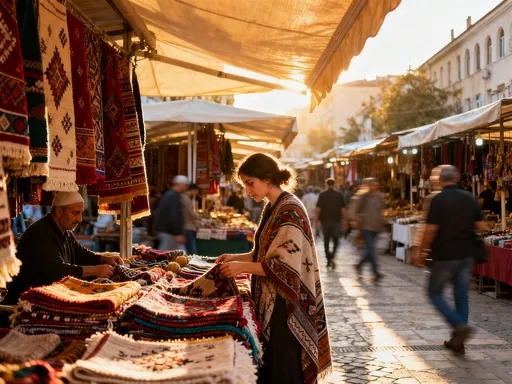
By summer, Dublin’s energy shifts toward outdoor experiences. The All Together Now Festival in August, though held just outside the city, draws thousands with its eclectic mix of music, art, and wellness activities. Its rural setting contrasts with the urban intensity of earlier festivals, offering lush greenery, open skies, and a relaxed, communal vibe. Sunset shots here—silhouettes against golden fields, bonfires glowing at dusk—are particularly evocative. Meanwhile, smaller neighborhood festivals and street markets pop up across Dublin, providing candid opportunities to photograph families, artisans, and local food vendors in sun-drenched squares.
September ushers in the Dublin Fringe Festival, a time when creativity spills into every corner of the city. The autumn light is gentle and golden, especially in the late afternoon, lending warmth to both portraits and street scenes. Performances often take place in unexpected locations—a converted garage, a hidden courtyard, a library reading room—making exploration key. This season also benefits from moderate crowds compared to March, allowing photographers to move freely and engage more deeply with subjects. Whether capturing a street artist applying final touches to a mural or a spontaneous dance in a pedestrian zone, the Fringe rewards curiosity and patience.
Prime Locations for Capturing the Spirit
Certain places in Dublin consistently deliver powerful photographic moments during festival times. These locations combine historical significance, architectural beauty, and high cultural activity, making them essential stops for any photographer seeking to document the city’s festive soul.
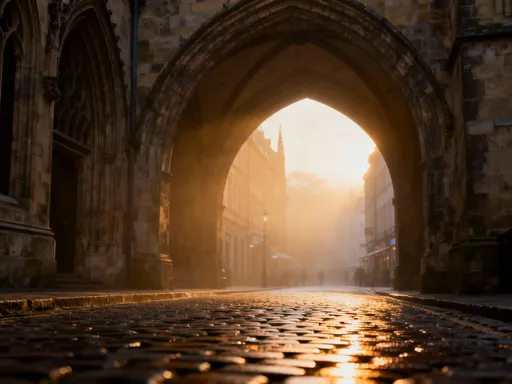
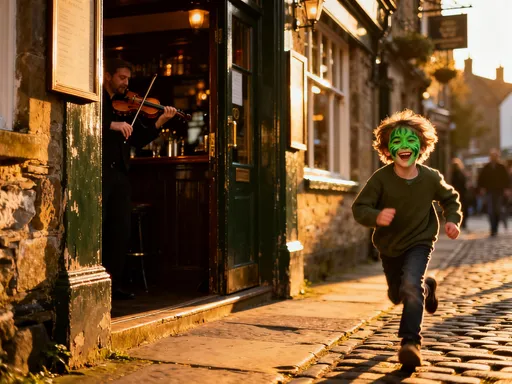
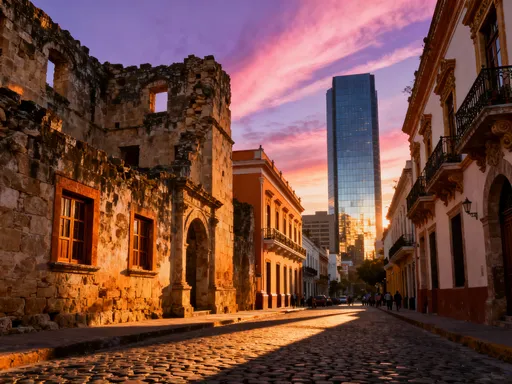
Temple Bar, though well-known, remains unmatched in its atmospheric density. During TradFest, the narrow streets become a stage for impromptu sessions—musicians gather outside The Temple Bar Pub, fiddlers play beneath wrought-iron lamps, and dancers form circles in the cobbled square. The area’s colorful façades, wrought-iron balconies, and warm pub lighting create natural framing and depth. Shooting from a slightly elevated position—such as the steps near the Central Bank or a second-floor window—allows for wider compositions that include both performers and onlookers. Reflections in rain-soaked streets after a spring shower can add a painterly quality to images, enhancing mood and texture.
O’Connell Street, Dublin’s grand thoroughfare, is the epicenter of the St. Patrick’s Day Parade. Lined with monuments like the Spire and the General Post Office, it offers strong vertical lines and open sightlines ideal for capturing the scale of the procession. Arriving by 9 a.m. ensures space near the barriers, where photographers can shoot from eye level or slightly below to emphasize the height of floats and costumes. The morning sun, when positioned behind the photographer, illuminates faces and fabrics with clarity. For tighter portraits, focusing on specific sections—such as the children’s parade or community groups carrying banners—adds narrative depth. Evening shots from the upper floors of nearby buildings or the rooftop bar at The Clarence Hotel provide sweeping views of the illuminated street and crowd patterns.
Iveagh Gardens, often called Dublin’s secret garden, transforms during festival season into a venue for pop-up concerts and theatrical performances. Its tree-lined paths, ornamental lakes, and neoclassical structures offer a serene contrast to the city’s bustle. During the Fringe Festival, performers may appear on small floating stages or among the foliage, creating ethereal compositions. The dappled light filtering through leaves, especially in late afternoon, is ideal for soft-focus portraits or silhouette work. Because the space is more contained, sound carries clearly, allowing photographers to anticipate moments—a singer taking a breath, an audience reacting—before they unfold.
St. Stephen’s Green, another green oasis in the city center, hosts outdoor readings, craft markets, and acoustic sets during warmer festivals. The park’s symmetrical layout, fountains, and tree canopies provide natural framing. Shooting from a bench or low wall allows for eye-level interaction with subjects, while wide-angle lenses can capture both the performance and the surrounding greenery. Early mornings here are especially peaceful, with mist rising off the pond and joggers passing through—ideal for establishing shots that set the tone for a festival day.
When photographing in these locations, awareness of surroundings is crucial. Respecting barriers, avoiding obstruction, and being mindful of performers’ space ensure both safety and ethical practice. The best images often come not from intrusion, but from observation—waiting for the right moment to present itself, rather than forcing it.
Beyond the Parade: Finding Hidden Moments
While parades and main stages offer dramatic visuals, the most emotionally resonant photographs often emerge from quieter, unplanned interactions. These are the moments that don’t appear in event programs—the elderly man wiping a tear during a ballad, the child asleep on his father’s shoulder after a long day of celebration, the street vendor sharing a joke with a regular customer. They are subtle, fleeting, and profoundly human.
To find these scenes, photographers must slow down. Instead of chasing the next big performance, linger in the spaces between. Walk down side streets branching from the main festival routes. Peer into café windows where musicians take breaks. Sit on a bench and observe. Dubliners are naturally warm and expressive; given time, they reveal their stories not through words, but through gestures, expressions, and shared silences. A woman adjusting her daughter’s hat before a photo, a group of friends laughing over pints, a street artist sketching a passerby—these are the moments that, when captured with care, convey the true spirit of the city.
Candid photography plays a vital role here, but it must be practiced with sensitivity. Using a quieter shutter mode, avoiding direct eye contact when appropriate, and maintaining a respectful distance help preserve the authenticity of the moment. A 35mm or 50mm lens on a full-frame camera allows for natural perspective and intimate framing without intrusion. Shooting in natural light—especially during the golden hour—enhances warmth and depth, making skin tones glow and shadows soft. Backlighting, when used skillfully, can turn a simple silhouette into a poetic statement.
Storytelling composition is another key technique. Rather than isolating a single subject, consider the entire frame—what’s in the background, how elements lead the eye, what emotions are conveyed through posture and expression. A photograph of a musician tuning his fiddle gains power when the out-of-focus crowd behind him suggests anticipation. A child’s painted face becomes more meaningful when seen alongside her mother’s proud smile. These layered images invite viewers not just to see, but to feel.
Patience and local interaction go hand in hand. Striking up a brief conversation—asking about a costume, complimenting a performance—can lead to permission for closer shots or even invitations to private moments. Dubliners are proud of their culture and often happy to share it, especially when approached with genuine interest. These connections don’t just improve access; they deepen the photographer’s understanding, resulting in images that are not only beautiful, but respectful and truthful.
Gear and Settings: What Works Best in Dynamic Environments
Photographing Dublin’s festivals demands gear that balances versatility, speed, and discretion. The environments are unpredictable—shifting light, moving subjects, crowded spaces—requiring equipment that can adapt quickly without drawing undue attention.
A mirrorless camera with strong autofocus performance is ideal. Models with excellent low-light capabilities and high frame rates allow photographers to capture fast-moving moments, such as a dancer mid-leap or a burst of confetti. A versatile zoom lens, such as a 24-70mm f/2.8, serves well for general coverage, offering flexibility from wide street scenes to tighter portraits. For low-light situations—common in pubs, evening performances, or shaded alleys—a fast prime lens like a 35mm f/1.4 or 50mm f/1.8 provides superior light gathering and beautiful background separation.
Settings should prioritize motion capture and exposure control. In daylight parades, a shutter speed of 1/500s or faster freezes action, while an aperture of f/5.6 to f/8 ensures sufficient depth of field for group shots. ISO should be kept as low as possible—100 to 400—to maintain image quality. In dimmer settings, increasing ISO to 1600 or 3200 may be necessary; modern cameras handle this range well, especially when shooting in RAW for post-processing flexibility.
For candid street photography, aperture-priority mode allows control over depth of field while the camera adjusts shutter speed automatically. A wide aperture (f/1.8 to f/2.8) isolates subjects from busy backgrounds, drawing attention to facial expressions or gestures. Continuous autofocus (AI Servo or AF-C) helps track moving subjects, while burst mode captures sequences that might otherwise be missed.
Flash should be used sparingly, if at all. On-camera flash can disrupt the mood, startle subjects, and create harsh shadows. Instead, rely on available light or consider a small, off-camera flash diffused with a softbox or bounce card if absolutely needed. In many cases, a higher ISO and steady hand—or a compact monopod—yield more natural results.
Carrying extra batteries and memory cards is essential, as festivals can last all day. A lightweight backpack keeps gear accessible yet unobtrusive. Most importantly, the gear should serve the moment, not dominate it. The best festival photography feels effortless because the photographer remains present, not preoccupied with technical adjustments.
Responsible Photography: Ethics in Public Celebration
With the privilege of capturing Dublin’s festivals comes the responsibility to do so ethically. These are not performances for outsiders; they are community events rooted in identity, memory, and belonging. Photographers must navigate public spaces with awareness, respect, and humility.
Consent is central to ethical practice. While public events allow for general photography, close-up shots of individuals—especially children, the elderly, or those in emotional states—should be taken only with permission. A simple smile, a nod, or a quiet “May I take your photo?” goes a long way. In many cases, people are flattered and will pose naturally, often enhancing the image with genuine expression. When permission isn’t possible—such as in fast-moving parades—a candid approach is acceptable, provided the framing is respectful and not exploitative.
Cultural respect is equally important. Avoid reducing people to stereotypes—don’t photograph someone solely because they fit a cliché of “Irishness,” such as wearing green or holding a pint. Instead, seek moments of individuality and connection. A woman in a traditional dress singing a lullaby carries more meaning than a drunken reveler in a novelty hat. The goal is not to document caricatures, but to honor lived experience.
Discretion matters. Loud shutters, intrusive lenses, or blocking pathways can alienate subjects and disrupt events. Moving quietly, avoiding sudden movements, and being aware of one’s position in the crowd help maintain harmony. In intimate venues like small pubs or church concerts, it’s wise to check with organizers before photographing. Some events may have restrictions, and respecting them builds trust.
Finally, photographers should reflect on their intent. Are they seeking to understand, to share, to celebrate? Or are they merely collecting images as trophies? The most powerful festival photography arises from connection—from seeing people not as subjects, but as neighbors in a shared human experience. When approached with empathy, the camera becomes not a barrier, but a bridge.
From Snapshots to Stories: Curating Your Festival Journey
A single photograph can capture a moment, but a collection can tell a story. After the festival ends and the memory begins to fade, the work of curation begins. This is where snapshots evolve into narratives—where chaos becomes coherence, and emotion finds form.
Start by reviewing images with intention. Group them thematically: music, dance, family, light, color, silence. Look for emotional arcs—moments of joy, contemplation, connection, exhaustion. A strong festival story doesn’t just show what happened; it conveys how it felt. Sequence images to mirror the rhythm of the day: early preparations, rising energy, peak celebration, quiet aftermath. A child’s wide-eyed wonder in the morning, a dancer’s sweat-streaked face at noon, an elderly couple holding hands in the evening—these create a timeline that resonates.
Editing should enhance, not alter. Adjust exposure, contrast, and white balance to reflect the scene’s true mood, but avoid heavy filters or artificial effects that distort reality. Preserving grain, natural shadows, and imperfect moments maintains authenticity. Cropping can strengthen composition, but should not misrepresent context. The goal is clarity, not perfection.
When sharing images—whether in albums, prints, or online—credit the spirit of the place. Include context: the festival name, location, and, when possible, the names of performers or participants. Acknowledge Dublin’s communities not as backdrops, but as the heart of the story. If publishing widely, consider donating prints to local cultural centers or sharing them with event organizers as a gesture of gratitude.
Over time, these curated collections become more than souvenirs—they become visual diaries of connection. They remind us that travel is not just about seeing new places, but about feeling part of something larger. Each image, when chosen with care, becomes a quiet tribute to Dublin’s enduring pulse.
Photographing Dublin’s festival culture isn’t just about technique—it’s about presence. When you align your lens with the rhythm of the city, you don’t just capture moments; you become part of them. The result? Images that don’t just show Dublin—but feel like it.