You Won’t Believe These Hidden Gems in Curitiba’s Iconic Landmarks
Curitiba isn’t just another Brazilian city—it’s a living canvas of architecture and culture. I walked its streets, soaked in the vibes, and realized: the real magic lies in its landmarks. From sleek modern designs to historic treasures, each site tells a story. This is more than sightseeing—it’s immersion. Let me take you through the soul of Curitiba, one breathtaking structure at a time.
The Pulse of the City: Understanding Curitiba’s Architectural Identity
Curitiba stands as a testament to how thoughtful urban planning can elevate a city into a work of art. Unlike many metropolitan areas that grow haphazardly, Curitiba was carefully designed with intention—balancing green spaces, transportation efficiency, and architectural beauty. This forward-thinking approach has earned it global recognition as one of the most sustainable cities in Latin America. Its buildings are not merely functional; they reflect a cultural philosophy that values innovation, environmental stewardship, and human-centered design. The city's skyline is a dialogue between past and future, where colonial facades coexist with bold contemporary forms.
What makes Curitiba’s architectural identity so compelling is its harmony with nature. Rather than imposing itself on the landscape, the city integrates greenery into its structures and public spaces. Parks, tree-lined avenues, and vertical gardens soften the urban environment, creating a sense of balance. This ecological sensitivity is mirrored in the materials used, the orientation of buildings for natural light, and the preservation of historic sites. Architecture here is not about grand statements alone—it’s about creating livable, inspiring spaces that serve both residents and visitors.
At the heart of this design philosophy is a deep respect for community. Public squares, pedestrian zones, and cultural centers are not afterthoughts—they are central to the city’s layout. This focus on shared spaces encourages interaction, fosters civic pride, and transforms ordinary commutes into moments of discovery. As you move through Curitiba, you begin to see that every landmark is part of a larger narrative about quality of life, sustainability, and cultural expression. It’s a city that invites you to look closer, walk slower, and appreciate the details.
Oscar Niemeyer Museum: Where Art Meets the Unexpected
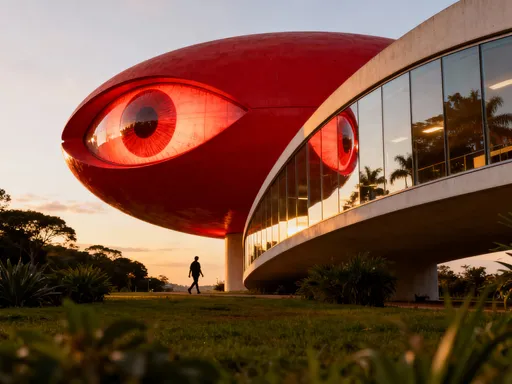
Rising like a red flame from the edge of Iguaçu Park, the Oscar Niemeyer Museum—affectionately known as MON—is one of Curitiba’s most iconic structures. Designed by Brazil’s legendary architect Oscar Niemeyer, the building itself is a masterpiece of modernist expression. Its most striking feature is the “Eye,” a bold, curved volume painted in vibrant crimson that seems to defy gravity. The form is fluid, almost organic, as if shaped by wind or water rather than steel and concrete. Walking toward it, you feel a sense of anticipation—not just for the art inside, but for the experience of being within such a sculptural space.
The interior continues the sense of wonder. Ramps spiral upward like a continuous ribbon, guiding visitors through a dynamic journey rather than a linear path. Natural light filters through skylights and glass walls, illuminating contemporary artworks in ever-changing patterns throughout the day. The collection spans Brazilian modern art, international installations, and rotating exhibitions that challenge perception. But what sets MON apart is how the architecture enhances the art—walls curve unexpectedly, ceilings tilt, and views of the surrounding park emerge through strategic openings, reminding you that art exists not in isolation, but in conversation with its environment.
For many visitors, the museum becomes a place of personal reflection. The open spaces encourage contemplation, while the bold design sparks curiosity. Families, couples, and solo travelers alike find themselves pausing, turning, and seeing the world from new angles—literally and metaphorically. Educational programs and guided tours further deepen the experience, offering insights into Niemeyer’s vision and the broader context of 20th-century Brazilian architecture. MON is not just a repository of art; it is art in motion, a living extension of the creative spirit that defines Curitiba.
Wire Opera House: A Melody in Steel and Songbirds
Nestled within the lush greenery of Barigui Park, the Wire Opera House—Ópera de Arame—offers one of the most unforgettable cultural experiences in Curitiba. At first glance, the structure appears delicate, almost ethereal: a soaring canopy of steel wires shaped like a grand piano, supported by slender arches that rise above a natural amphitheater. Built in 1992 on the ruins of a former quarry, the venue transforms industrial remnants into a celebration of music and nature. With seating for nearly 2,500 people, it hosts concerts, theatrical performances, and dance productions, all under the open sky.
What truly distinguishes the Wire Opera House is its symbiosis with the environment. During daytime visits, birds flit among the trees surrounding the stage, their songs blending with the echoes of past performances. The acoustics are surprisingly rich, enhanced by the natural bowl of the land and the reflective properties of the metal framework. Evening shows are particularly magical—when lights illuminate the structure and music fills the air, it feels as though the entire forest is listening. The experience is intimate despite the scale, connecting audience and performer in a shared moment of artistic resonance.
Beyond formal events, the site welcomes casual exploration. Visitors stroll along shaded pathways, picnic on the grassy slopes, or sip coffee at the on-site café while enjoying panoramic views of the stage. Interpretive panels share the history of the location and its transformation from abandoned quarry to cultural landmark. For locals, the Wire Opera House represents resilience and creativity—a symbol of how beauty can emerge from forgotten places. Whether attending a symphony or simply sitting in quiet appreciation, guests leave with a renewed sense of how art and nature can coexist in harmony.
Botanical Garden and The Glass Dome: Nature Under Glass
No visit to Curitiba would be complete without stepping into the enchanting world of the Botanical Garden, a verdant sanctuary in the heart of the city. At its center stands the majestic glass dome, a stunning homage to London’s Crystal Palace, crafted from iron and glass in an elegant Victorian style. As you approach, the dome glimmers in the sunlight, its intricate framework casting delicate shadows on the ground. Inside, the atmosphere shifts—warm, humid air carries the scent of blooming orchids, ferns unfurl in every direction, and the sound of trickling water invites stillness.
The greenhouse spans over 750 square meters and houses a diverse collection of tropical and subtropical plants. Towering palms reach toward the ceiling, bromeliads cling to branches, and water lilies float serenely in central pools. Pathways wind through themed sections, from medicinal herbs to endangered species, each accompanied by informative signage that educates without overwhelming. Natural light floods the space, shifting with the hours and creating a living kaleidoscope of color and shadow. It’s easy to lose track of time here, captivated by the quiet drama of growth and renewal.
Outside the dome, the garden unfolds across 24 hectares of meticulously maintained landscapes. Lakes, fountains, and sculptures dot the terrain, while native trees provide shade and habitat for birds and butterflies. Children laugh along winding trails, photographers pause at scenic overlooks, and elderly couples rest on benches beneath flowering canopies. The garden also serves as an important center for environmental education, hosting workshops on conservation, composting, and urban gardening. More than just a place of beauty, it embodies Curitiba’s commitment to preserving biodiversity and fostering a deeper connection between people and the natural world.
Historic Center & São Francisco Square: Echoes of the Past
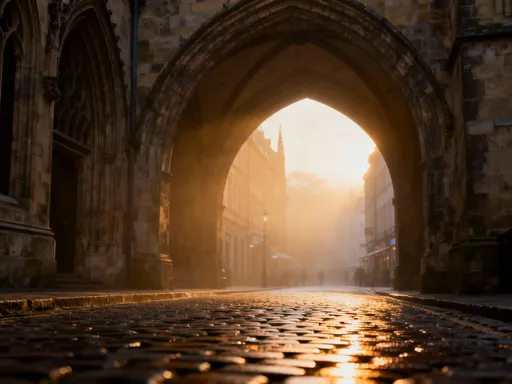
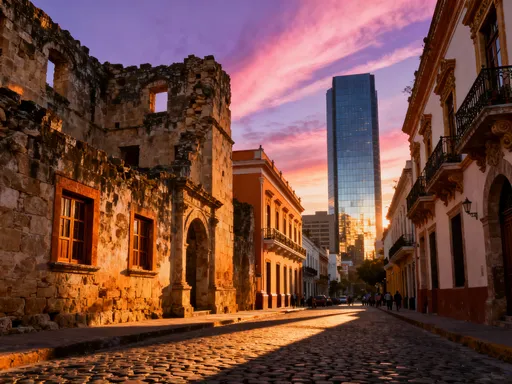
While Curitiba embraces modernity, its historic center remains a quiet anchor to its roots. São Francisco Square, or Largo da Ordem, is the soul of this district—a cobblestone plaza framed by restored 19th-century buildings painted in soft pastels. Once the heart of political and commercial life, the area has been thoughtfully revitalized into a cultural hub where history is not preserved behind glass, but lived daily. Cafés spill onto sidewalks, artisans sell handmade crafts, and the rhythm of conversation replaces the clatter of horse-drawn carriages that once dominated the streets.
Among the notable structures is the old railway station, a charming neoclassical building that now serves as a cultural center. Inside, rotating exhibits highlight local artists, historical photographs, and architectural models of the city’s evolution. Nearby, the Rosas Palace houses the Paraná Public Archive, offering glimpses into regional governance and civic memory. These buildings are not relics—they are active participants in contemporary life, hosting lectures, exhibitions, and community gatherings that bridge generations.
Wandering through the surrounding streets, you’ll notice subtle details that speak to Curitiba’s layered identity: wrought-iron balconies, hand-painted tiles, and doorways worn smooth by time. Street performers play classical guitar, and the aroma of freshly baked pastries drifts from traditional bakeries. The pace slows here, encouraging mindful observation. For visitors, this district offers a chance to experience the city’s character beyond postcard views—a place where architecture tells stories of migration, growth, and resilience. It’s a reminder that progress need not erase the past, but can honor it with care and intention.
Urban Innovation: The Role of Landmarks in Sustainable Living
Curitiba’s landmarks do more than inspire—they serve as models of sustainable urban living. The city pioneered integrated bus rapid transit systems, extensive recycling programs, and green zoning policies long before they became global trends. This ethos extends to its architectural landmarks, which are designed not only for aesthetic impact but for environmental responsibility. The Botanical Garden, for instance, functions as both a recreational space and a center for ecological research, promoting native plant conservation and water management practices.
Similarly, the Wire Opera House was built using recycled materials and engineered to minimize environmental disruption. Its open-air design reduces energy consumption, relying on natural ventilation instead of artificial cooling. Even the Oscar Niemeyer Museum incorporates energy-efficient lighting and rainwater collection systems, aligning with broader municipal goals of carbon reduction. These features are rarely highlighted with signage or fanfare—they are simply part of how things are done in Curitiba, a reflection of deeply embedded values.
Tourists benefit from this sustainability in tangible ways. Clean, well-maintained parks enhance comfort and safety. Efficient public transportation makes accessing landmarks easy and affordable. Recycling bins are随处可见—ubiquitous—and visitors quickly adapt to the city’s culture of care. More importantly, these practices inspire reflection. Seeing how a city can be both beautiful and responsible challenges assumptions about urban development. Curitiba proves that sustainability is not a constraint, but a catalyst for creativity, proving that green design can be elegant, functional, and deeply human-centered.
How to Experience Curitiba’s Landmarks Like a Local
To truly connect with Curitiba, it helps to adopt the rhythm of its residents. Locals don’t rush from one landmark to the next—they savor each experience, often returning to favorites throughout the year. Begin your day early, when the Botanical Garden is bathed in morning light and least crowded. Spend an hour inside the glass dome, then walk the outer trails with a thermos of coffee in hand. Many residents bring books or sketchpads, using the space for quiet reflection or creative inspiration.
Midday is ideal for exploring the historic center. Stop at a family-run café in São Francisco Square and order a pão de queijo with herbal tea. Strike up a conversation with the staff—many are happy to share stories about the neighborhood or recommend lesser-known spots nearby. After lunch, take the city’s efficient bus network to the Oscar Niemeyer Museum. While the “Eye” draws immediate attention, locals often suggest walking around the entire complex first, noticing how the building interacts with the parkland and skyline.
In the late afternoon, head to Barigui Park for a leisurely stroll before a performance at the Wire Opera House. If there’s no show scheduled, simply sit on the grass and watch the light change across the steel wires. Bring a light jacket—nights can be cool, especially near the water. On weekends, join a guided walking tour led by local historians or architects who offer deeper insights into design choices and cultural significance. These tours, often free or low-cost, provide context that transforms sightseeing into meaningful engagement.
Throughout your visit, embrace the idea of slow tourism. Leave room for spontaneity—pause at a street market, photograph a mural, or accept an invitation to a community event. Curitiba rewards curiosity and presence. By moving at a human pace, you begin to feel the city’s pulse, understand its values, and form connections that last far beyond the trip itself.
Curitiba’s landmarks aren’t just structures—they’re invitations to feel, think, and connect. By stepping into them fully, we don’t just see a city; we begin to understand it. Let your next journey be one of true immersion.