What Makes Bruges’ Culture Truly Unforgettable?
You know that feeling when a city just gets you? Bruges did that to me. Beyond the postcard-perfect canals and cobblestones, I discovered soul—centuries-old traditions, intimate festivals, and crafts that feel alive. This isn’t just sightseeing; it’s cultural immersion at its finest. From bell-ringing monks to chocolate makers preserving ancient recipes, Bruges doesn’t perform its heritage—it lives it. Let me take you through the moments that made my trip unforgettable.
The Living Heart of Bruges: Culture Beyond the Postcard
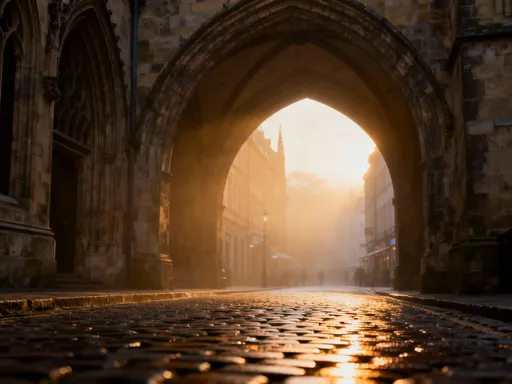
Bruges is often described as a fairy tale city—its canals reflecting gabled rooftops, its narrow streets echoing with footsteps from another century. While this romantic image draws millions each year, it only scratches the surface of what makes Bruges truly special. Beneath the picturesque façade lies a living culture shaped by resilience, pride, and an unwavering commitment to continuity. Unlike cities that have modernized at the expense of history, Bruges has chosen to grow within its heritage, allowing ancient customs to remain woven into daily life. This is not a city preserved behind glass; it breathes, celebrates, and remembers.
The common perception of Bruges as a dreamy escape for couples or a quick stop on a European tour overlooks its deeper identity. Locals don’t see their city as a relic—they see it as home, one steeped in tradition yet fully engaged with the present. The rhythm of life here follows seasonal festivals, artisan rhythms, and religious observances that have endured for generations. It’s common to hear Flemish spoken in markets, to see schoolchildren learning lace-making in workshops, or to pass a family gathering for Mass at the Basilica of the Holy Blood. These are not performances for tourists; they are expressions of belonging.
Three key themes define Bruges’ cultural essence: continuity, craftsmanship, and community-based rituals. Continuity refers to the unbroken thread linking past and present—from medieval guilds to modern cooperatives, Bruges honors lineage. Craftsmanship is evident in the meticulous attention to detail found in lace, chocolate, and bell-founding, where skills are passed down like heirlooms. And seasonal rituals, such as the Procession of the Holy Blood, anchor the year in shared memory and collective participation. Together, these elements form a culture that is not frozen in time but actively sustained by those who live it.
Walking Through Time: The Role of Architecture in Cultural Identity
To walk through Bruges is to step into a continuum of architectural storytelling. The city’s skyline, dominated by the soaring Belfry and the twin spires of the Church of Our Lady, is not merely a collection of old buildings—it is a living archive. Each stone, gable, and stained-glass window carries meaning, reflecting centuries of civic pride, religious devotion, and artistic ambition. Unlike reconstructed historic districts in other cities, Bruges’ architecture remains largely authentic, with many structures dating back to the 13th and 14th centuries. This authenticity allows visitors to experience not a replica, but a genuine medieval urban fabric.
The Belfry, standing tall in the Market Square, is perhaps the most potent symbol of Bruges’ cultural endurance. For over 800 years, its bells have marked the hours, summoned citizens to assembly, and tolled during times of celebration and crisis. Today, it still serves as a civic landmark and a musical instrument—home to a carillon played daily by a trained bell-ringer. The Basilica of the Holy Blood, another architectural gem, houses a venerated relic believed to contain drops of Christ’s blood, a tradition dating back to the 12th century. This sacred site is not just a museum piece; it remains a place of pilgrimage and quiet prayer, where locals light candles and bow their heads in reverence.
The Market Square itself functions as a stage where history and modernity coexist. While tourists sip coffee at outdoor cafés beneath colorful awnings, the surrounding buildings—once guildhalls and merchant houses—now host cultural offices, artisan shops, and city administration. This adaptive reuse reflects a broader philosophy in Bruges: preservation without stagnation. The city’s designation as a UNESCO World Heritage Site in 2000 was not an endpoint but a commitment to ongoing stewardship. Restoration projects are carefully regulated to maintain historical accuracy, using traditional materials and techniques whenever possible. This dedication ensures that Bruges does not become a theme park version of itself, but a city where architecture continues to tell its story with integrity.
Craftsmanship That Breathes: Artisans Keeping Tradition Alive
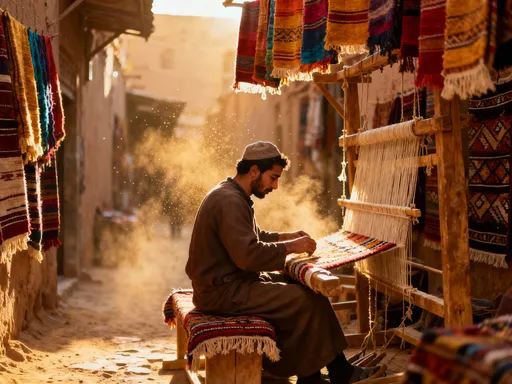
In an age of mass production and digital convenience, Bruges stands as a quiet testament to the value of handmade tradition. The city’s artisans—lace-makers, chocolatiers, bell-founders—are not merely preserving old skills; they are practicing living arts that evolve with care and intention. Their workshops, often tucked into centuries-old buildings, are places of quiet focus, where time slows and precision is honored. To witness a lace-maker at work, her fingers guiding thread with practiced grace, is to see history in motion. Each stitch in a piece of Bruges lace can take hours, even days, to complete—yet the result is not just fabric, but a cultural artifact imbued with patience and pride.
Lace-making in Bruges dates back to the 16th century, when it became a symbol of status and artistry across Europe. Today, only a handful of master lacemakers remain, many of them women who learned the craft from their mothers or grandmothers. In small studios near the Minnewater Lake, visitors can observe demonstrations and even try their hand at basic patterns. The lace produced here is not for mass export; it is made for local celebrations, religious ceremonies, and family heirlooms. This intimate scale ensures that the craft remains connected to its cultural roots, rather than being reduced to a souvenir.
Equally revered is the art of chocolate-making, a tradition elevated to near-sacred status in Belgium. In Bruges, chocolate is not just a treat—it is a craft passed down through generations. Family-run boutiques like those on the Wollestraat and Vlamingstraat create pralines, truffles, and filled bars using recipes unchanged for decades. Many still use copper kettles, wooden molds, and hand-tempering techniques to achieve the perfect texture and shine. What sets Bruges apart is the emphasis on storytelling—each chocolate has a name, a history, sometimes even a connection to a local legend or season. A dark chocolate filled with spiced beer, for example, might be called “Belfry Night,” evoking the city’s brewing heritage and nocturnal charm.
Less visible but equally significant is the tradition of bell-founding, centered at the Royal Eijsbouts bell foundry, which supplies and maintains the carillon in the Belfry. The process of casting a bell—melting bronze, shaping the mold, tuning the final tone—can take weeks and requires deep expertise. Each bell must harmonize with the others in the set, creating a musical instrument that speaks across the city. The fact that Bruges still invests in this rare craft speaks volumes about its cultural priorities: durability, beauty, and the belief that some things are worth doing slowly and well.
Festivals That Define the Year: Bruges’ Cultural Calendar
The heartbeat of Bruges’ culture can be felt most clearly in its festivals—seasonal events that bring together residents, visitors, and centuries-old traditions in vibrant celebration. These are not commercialized spectacles, but deeply rooted observances that reflect the city’s historical, religious, and agricultural rhythms. Each festival serves as both a public expression of identity and a private moment of connection, where families gather, artisans display their work, and the past is honored through performance and ritual.
The most significant of these is the Procession of the Holy Blood, held annually on Ascension Day. This event, which dates back to the 13th century, draws tens of thousands of spectators and participants in a solemn, colorful parade through the city center. The procession begins at the Basilica of the Holy Blood, where the sacred relic is carried in a jeweled reliquary by members of civic and religious orders. Over 1,700 participants take part, dressed in medieval costumes representing biblical figures, guild members, and historical personages. The atmosphere is one of reverence and pageantry, with moments of silence punctuated by hymns and the tolling of bells. What makes this event unforgettable is not its scale, but its authenticity—many participants are locals who have trained for months, some even passing roles down through generations.
In contrast, the Bruges Beer Festival, held each summer in the historic Concertgebouw, celebrates the city’s rich brewing heritage in a more festive tone. Belgium is renowned for its beer diversity, and Bruges plays a key role in this tradition. The festival features over 300 varieties from local and regional breweries, including abbey ales, sour lambics, and spiced specialty brews. Visitors can attend guided tastings, meet brewers, and learn about the fermentation process. Beyond the tasting, the festival includes lectures on beer history, food pairings with traditional Flemish dishes, and live folk music. It’s a joyful reminder that culture is not only preserved in silence and ritual, but also in shared laughter and celebration.
As winter approaches, the Bruges Christmas Market transforms the Market Square into a wonderland of light and warmth. Wooden chalets line the plaza, selling handmade ornaments, mulled wine, and seasonal treats like speculoos and waffles. The centerpiece is a grand tree illuminated each evening, accompanied by carol singing and choir performances in nearby churches. What sets this market apart from others in Europe is its emphasis on local craftsmanship and sustainability—vendors are carefully selected to ensure authenticity, and plastic decorations are notably absent. For families, it’s a time of togetherness; for visitors, it’s a chance to experience the quieter, more intimate side of Bruges’ culture, where holiday joy is measured not in crowds, but in candlelight and carols.
The Sound of Tradition: Music and Bells in the City’s Soul
If Bruges has a soundtrack, it is the chime of bells echoing across its rooftops. The carillon in the Belfry, with its 47 bronze bells, plays a daily concert that marks the passage of time and lifts the spirit. At 10 a.m., 12 p.m., and 5 p.m., the melodies drift over the city—sometimes a classical piece by Vivaldi, sometimes a Flemish folk tune, always performed with precision by the city’s official carillonneur. This tradition, which dates back to the 17th century, is not automated; it is played live, a testament to the city’s commitment to living art. To pause and listen as the bells ring out over the Market Square is to feel momentarily connected to centuries of listeners who have stood in the same place, hearing the same notes.
Beyond the Belfry, music remains a vital thread in Bruges’ cultural fabric. Historic churches host regular organ recitals and choral performances, often featuring works by Flemish composers or pieces written for religious feast days. The Church of Our Lady, with its soaring acoustics, is a favored venue for classical concerts, where audiences sit in hushed reverence as voices and instruments fill the sacred space. During festivals, music takes on a more communal role—street performers play accordion and violin, children dance to folk tunes, and brass bands parade through the streets in colorful uniforms. These moments are not staged for tourists; they emerge naturally from a city that values music as both art and expression of community.
The emotional impact of hearing traditional music in Bruges cannot be overstated. On a quiet morning, walking along the quiet canal near the Begijnhof, one might hear a distant choir rehearsal drifting from a side chapel. In winter, the sound of carolers singing “Silent Night” in Dutch adds a layer of warmth to the cold air. These auditory experiences create a sense of continuity, reminding listeners that culture is not only seen but heard. In a world where digital noise dominates, Bruges offers a rare gift: the sound of tradition, clear and resonant, carried on the wind.
Flavors of Heritage: How Food Tells Bruges’ Story
In Bruges, every meal is a chapter in a long cultural narrative. The city’s cuisine is not about innovation for its own sake, but about preservation—of flavors, methods, and moments shared around the table. Belgian fries, often cited as the nation’s most beloved dish, are more than fast food here; they are a ritual. Cooked in double-fried batches using specific potato varieties and traditionally served in paper cones with a choice of sauces, they are best enjoyed at a small stand near the Lake of Love, where the scent of hot oil mingles with the breeze off the water.
Equally iconic is speculoos, a spiced shortcrust biscuit baked during the winter months. Its origins lie in monastic kitchens, where monks used cinnamon, nutmeg, and cloves to flavor dough shaped into images of saints and animals. Today, speculoos is enjoyed year-round, often spread as a paste on toast or crumbled over desserts. Local bakeries still use wooden molds carved centuries ago, ensuring that each biscuit carries the imprint of history. Similarly, Bruges’ beer culture is inseparable from its identity. From the malty richness of a Dubbel to the tart brightness of a Kriek, each brew reflects regional ingredients and centuries of brewing knowledge. Traditional breweries like De Halve Maan, which has operated since 1856, offer tours that trace the journey from grain to glass, emphasizing sustainability and local sourcing.
Family-run cafés play a crucial role in preserving this culinary heritage. These are not themed restaurants designed for tourists, but neighborhood spots where generations gather for coffee, cake, and conversation. A typical afternoon might include a slice of tarte au riz, a creamy rice pudding tart dusted with cinnamon, or a plate of fresh waffles topped with strawberries and whipped cream. Seasonal dishes, such as waterzooi (a creamy stew) in winter or asparagus dishes in spring, reflect the agricultural calendar and the city’s connection to the surrounding Flemish countryside. In Bruges, food is not consumed—it is experienced, remembered, and passed on.
Traveling with Purpose: How to Experience Bruges Like a Local
To visit Bruges with depth is to move beyond the checklist of sights and embrace a slower, more intentional way of traveling. The city rewards those who take the time to observe, listen, and engage with its rhythms. One of the most meaningful ways to do this is to align your visit with its cultural calendar. Planning a trip around the Procession of the Holy Blood, the Beer Festival, or the Christmas Market allows you to witness traditions as they unfold in real time, rather than as static displays. These events offer a window into the values and spirit of the community, revealing a side of Bruges that postcards cannot capture.
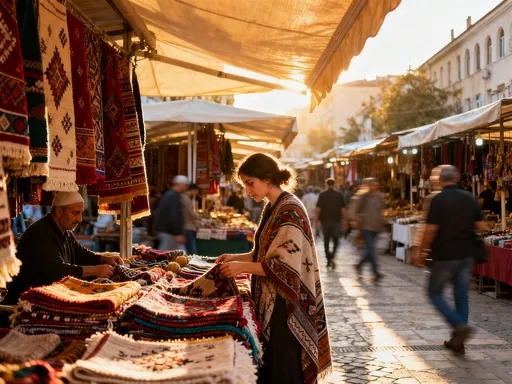
Supporting local artisans is another way to travel with purpose. Instead of buying mass-produced souvenirs, seek out family-run lace shops, chocolate boutiques, and craft markets where goods are made by hand. Engaging with artisans—asking about their process, their training, their connection to the craft—adds meaning to your purchases and supports the continuation of these traditions. Guided cultural walks, especially those led by local historians or residents, provide context and insight that guidebooks often miss. A walk focused on medieval guilds, for example, can illuminate how Bruges’ economic past shaped its social fabric.
To avoid the pitfalls of over-tourism, consider visiting in the early morning or late afternoon, when day-trippers have departed and the city regains its quiet dignity. Explore neighborhoods beyond the main square—such as the Sint-Annarei or the quiet canals near the Gentpoort—where daily life unfolds without performance. Sit in a local café, order a beer brewed in the region, and simply watch the world go by. These moments of stillness often yield the most profound connections. By slowing down, respecting local customs, and engaging mindfully, travelers do more than observe culture—they become part of its ongoing story.
Bruges isn’t a museum—it’s a city that remembers. Every stone, every melody, every handcrafted detail whispers stories centuries in the making. To visit Bruges deeply is to witness culture not as performance, but as continuity. By choosing to engage mindfully, travelers don’t just see the past—they help keep it alive.