Art, Soul & the Pulse of the Rhine: A Journey Through Düsseldorf’s Creative Heart
Have you ever walked into a city and instantly felt its rhythm? That’s Düsseldorf. Beyond sleek skylines and riverside promenades, the city breathes art and culture in every alley, gallery, and studio. I wandered without a map and discovered how creativity shapes identity here—from bold street murals to world-class museums. This isn’t just a trip; it’s a sensory dialogue with German expression, design, and innovation. Let’s explore what makes Düsseldorf’s cultural scene unforgettable.
First Impressions: Where Modernity Meets Tradition
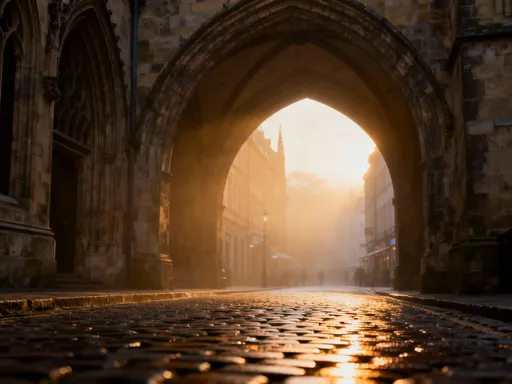
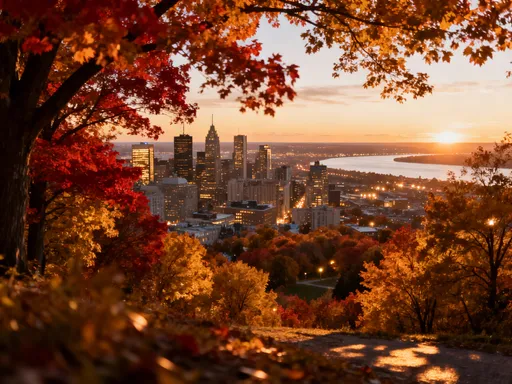
Düsseldorf greets visitors with a striking contrast—gleaming glass towers standing shoulder to shoulder with centuries-old timber-framed houses. The city’s skyline, dominated by the Rhine Tower and modern office complexes, reflects its status as a hub of commerce and innovation. Yet just a few steps away, the cobblestone streets of Altstadt, the historic old town, tell a quieter, older story. Known affectionately as “the longest bar in the world,” this neighborhood is lined with traditional breweries, family-run shops, and intimate courtyards where history lingers in the air like the scent of freshly tapped Altbier.
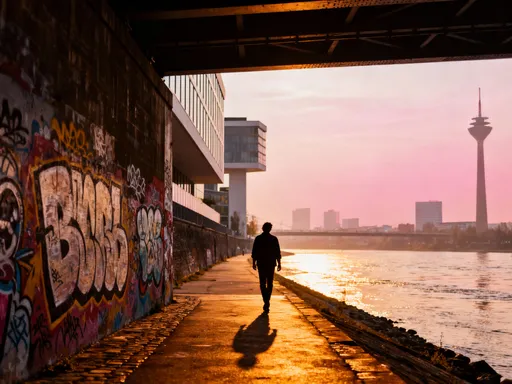
The Rhine River is more than a scenic backdrop—it is the lifeblood of Düsseldorf’s cultural identity. Flowing gently past the city center, the riverbanks are lined with walking paths, open-air galleries, and seasonal art installations. Locals gather here not only for leisure but for inspiration. Artists sketch the skyline at dusk, photographers capture reflections in the water, and musicians perform on weekend afternoons. The river serves as a natural thread connecting past and present, industry and imagination, making it a central character in Düsseldorf’s creative narrative.
What sets Düsseldorf apart is its seamless fusion of elegance and authenticity. The city is renowned for precision—whether in fashion, engineering, or urban planning—and this meticulousness extends to its artistic spaces. Galleries are thoughtfully curated, public art is strategically placed, and even street-level design feels intentional. Yet, there is no coldness in this order. The warmth of community, the spontaneity of expression, and the pride in heritage ensure that Düsseldorf’s creativity never feels sterile. It is a city where tradition is not preserved behind glass but lived, reinterpreted, and celebrated every day.
Kunstsammlung Nordrhein-Westfalen: A Deep Dive into Postwar & Contemporary Art
At the heart of Düsseldorf’s art scene lies the Kunstsammlung Nordrhein-Westfalen, one of Germany’s most important institutions for modern and contemporary art. Comprising three distinct yet interconnected sites—K20, K21, and the Graphische Sammlung—this museum network offers a comprehensive journey through postwar artistic evolution. K20, located in the city’s cultural quarter, houses an exceptional collection of works from the 19th century to the present, with a strong emphasis on German Expressionism and the ZERO movement. Its spacious galleries, flooded with natural light, allow visitors to engage deeply with each piece.
K21, housed in a repurposed neoclassical parliament building, presents a striking dialogue between historic architecture and cutting-edge contemporary art. The soaring atrium, crowned with a glass dome, creates a cathedral-like atmosphere where large-scale installations command attention. Here, the boundaries between sculpture, performance, and space dissolve. The museum’s rotating exhibitions often explore themes of identity, technology, and social change, inviting reflection on how art responds to the world around us. Meanwhile, the Graphische Sammlung focuses on works on paper, offering intimate access to sketches, prints, and rare artist books that reveal the creative process behind iconic works.
The museum’s collection features seminal works by Joseph Beuys, whose radical ideas about art as a social force continue to influence generations. His felt suits, blackboards covered in cryptic diagrams, and installations incorporating everyday materials challenge viewers to rethink the role of art in society. Equally compelling is the presence of Gerhard Richter, a Düsseldorf native whose blurred photorealistic paintings and abstract squeegee works explore memory, perception, and emotion. The inclusion of international figures like Andy Warhol underscores the city’s global artistic connections, showing how Düsseldorf has long been a crossroads of ideas.
What makes the Kunstsammlung truly accessible is its visitor-centered approach. Audio guides, multilingual materials, and interactive displays ensure that art lovers of all backgrounds can engage meaningfully. The museum also hosts lectures, family days, and guided tours that deepen understanding without overwhelming. Seasonal exhibitions are carefully curated to balance historical depth with contemporary relevance, ensuring that no two visits feel the same. For those seeking a quiet moment of contemplation or an immersive artistic experience, the Kunstsammlung offers both sanctuary and stimulation.
Kunstakademie Düsseldorf: The Cradle of German Art Movements
Few art schools have shaped modern art as profoundly as the Kunstakademie Düsseldorf. Founded in 1762, this prestigious institution has evolved into a global epicenter of artistic innovation. Its influence surged in the postwar era, particularly under the leadership of Joseph Beuys, whose unorthodox teaching methods and philosophical approach to art transformed the academy into a laboratory of ideas. Beuys believed that everyone was an artist and that creativity could drive social change—a radical notion that attracted students from around the world and redefined the role of art education.
The academy’s legacy is most visible in the Düsseldorf School of Photography, a movement that emerged in the 1970s under the guidance of Bernd and Hilla Becher. Their students, including Andreas Gursky, Thomas Ruff, and Candida Höfer, developed a precise, large-format style that elevated photography to the status of fine art. Gursky’s monumental images of global landscapes—from stock exchanges to mountain ranges—capture the scale and complexity of modern life with clinical detail and emotional resonance. These works, now held in major museums worldwide, trace their origins to the quiet classrooms and darkrooms of the Kunstakademie.
What makes the academy so influential is not just its famous alumni but its enduring commitment to experimentation. Students are encouraged to explore interdisciplinary approaches, blending painting, sculpture, digital media, and performance. The curriculum emphasizes critical thinking as much as technical skill, fostering artists who are not only technically proficient but conceptually bold. This environment has produced figures like Katharina Grosse, known for her explosive, color-saturated installations, and Thomas Schütte, whose sculptures challenge notions of the human form.
The Kunstakademie remains deeply engaged with the public. Each year, the academy opens its doors during the annual “Kunstakademie Düsseldorf Tage,” allowing visitors to wander through studios, view student work, and attend live critiques. These open days offer a rare glimpse into the creative process, revealing the hours of labor, debate, and revision behind finished pieces. Community workshops and collaborative projects further bridge the gap between institution and city, ensuring that art remains a living, evolving force rather than a closed academic exercise.
Street Art & Urban Expression: Creativity Beyond the Gallery Walls
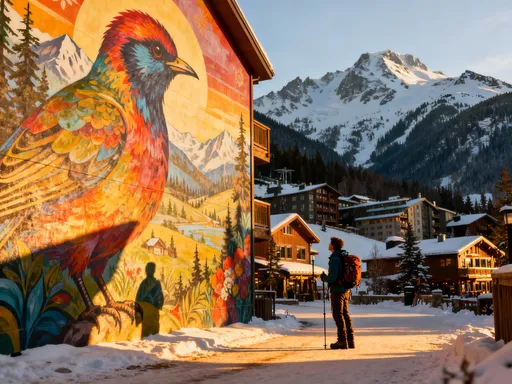
While Düsseldorf’s museums and academies command international respect, some of its most vibrant art exists outside institutional walls. In neighborhoods like Flingern and Friedrichstadt, the city’s urban fabric becomes a canvas for self-expression. Here, murals stretch across building facades, alleyways glow with intricate stencils, and abandoned structures are transformed into open-air galleries. Unlike cities where street art is seen as vandalism, Düsseldorf embraces it as a legitimate form of cultural dialogue, supporting artists through legal walls, municipal projects, and curated festivals.
Flingern, once an industrial district, has emerged as a hotspot for urban art. Walking its streets feels like flipping through a living sketchbook. One wall might depict a surreal portrait with dreamlike colors, while another tells a social story—migrants, workers, or environmental themes rendered in bold, graphic lines. Artists like Alias, a local favorite, blend realism with abstraction, creating pieces that are both visually arresting and conceptually rich. These works are not static; they evolve as new layers are added, forming a palimpsest of voices that reflect the neighborhood’s changing identity.
The city’s approach to street art is balanced and thoughtful. While it encourages creativity, it also maintains aesthetic harmony. Permits are required for large-scale works, and certain zones are designated for legal graffiti, ensuring that public spaces remain vibrant without descending into chaos. This structured freedom allows artists to experiment while respecting the community’s visual environment. It also fosters collaboration—mural projects often involve local residents, schools, or businesses, turning art into a shared endeavor rather than a solitary act.
For visitors, guided street art tours have become a popular way to uncover these hidden narratives. Led by local artists or cultural guides, these walks reveal the stories behind the spray paint—the symbolism, the techniques, and the artists’ motivations. Participants learn to see the city differently, noticing details they might otherwise overlook. These tours also highlight how street art contributes to neighborhood revitalization, turning neglected areas into destinations and sparking conversations about identity, memory, and belonging.
The Role of Design: From Fashion to Industrial Innovation
Düsseldorf’s creative spirit extends far beyond visual art—it permeates every aspect of design. The city is a recognized fashion capital, hosting major trade fairs like Premium and Bright that attract designers, buyers, and influencers from across Europe. While often compared to Paris or Milan, Düsseldorf’s fashion identity is distinctly German: minimalist, functional, and rooted in craftsmanship. Local boutiques in the Königsallee district showcase tailored coats, elegant footwear, and sustainable collections that reflect a preference for quality over trendiness.
This design sensibility is nurtured by institutions like the Robert Schumann Hochschule and the Peter Behrens School of Arts, which train the next generation of designers in fashion, product design, and visual communication. These schools emphasize sustainability, user-centered design, and innovation, preparing students to meet the challenges of a rapidly changing industry. Collaborations with local manufacturers and startups ensure that academic work translates into real-world applications, reinforcing Düsseldorf’s role as a hub of industrial creativity.
The city’s design influence is on full display during major events like Imm Cologne, the international interior design fair held annually just outside the city. Though based in Cologne, the event draws heavily from Düsseldorf’s design community, with many exhibitors and attendees based in the region. Similarly, Inhorgenta Munich—while located in another city—features numerous Düsseldorf-based jewelry and luxury goods designers, showcasing the city’s strength in precision craftsmanship and elegant aesthetics. These events underscore how Düsseldorf blends artistry with functionality, creating objects that are not only beautiful but purposeful.
Even everyday urban design reflects this philosophy. Public benches, lighting fixtures, and signage are carefully considered, contributing to a cohesive visual language. Bike-sharing stations, tram interiors, and wayfinding systems are designed with clarity and comfort in mind, demonstrating that good design is not reserved for galleries but integrated into daily life. This attention to detail enhances the visitor experience, making the city not only visually appealing but intuitively navigable.
Cultural Events & Seasonal Highlights: Experiencing Art in Motion
Düsseldorf’s cultural calendar pulses with energy throughout the year, offering dynamic ways to engage with art beyond static exhibitions. One of the most anticipated events is the “Long Night of Museums,” an annual evening when over 40 cultural institutions stay open late, connected by free shuttle buses. Visitors can sip wine in a sculpture garden, attend a live drawing session, or watch a performance in a historic library—all in one night. This event exemplifies the city’s commitment to accessibility, breaking down barriers between art and the public.
Another seasonal highlight is the “Sculpture by the Rhine” exhibition, a summer-long display of contemporary sculptures along the riverbank. These works—ranging from abstract metal forms to interactive installations—invite passersby to pause, touch, and reflect. Positioned between cyclists, joggers, and picnickers, the sculptures become part of daily life rather than distant objects of contemplation. The temporary nature of the exhibition ensures freshness, with new artists featured each year, fostering ongoing dialogue between the city and its creative community.
Even the holiday season is infused with artistic sensibility. Düsseldorf’s Christmas markets are not mere shopping destinations but curated experiences of craftsmanship and tradition. Wooden stalls, hand-built by local artisans, sell hand-blown glass ornaments, carved nativity scenes, and woolen textiles dyed with natural pigments. Live choirs, storytelling sessions, and craft workshops create a festive yet thoughtful atmosphere. Unlike commercialized markets elsewhere, Düsseldorf’s version emphasizes authenticity, sustainability, and cultural continuity, making it a cherished ritual for families and visitors alike.
These events do more than entertain—they strengthen community bonds and reinforce the city’s identity as a cultural leader. They invite participation, encourage discovery, and remind residents and guests that art is not a luxury but a vital part of urban life. Whether through a midnight gallery tour or a winter craft fair, Düsseldorf ensures that creativity remains alive, evolving, and accessible to all.
Practical Insights: Planning Your Cultural Exploration
For those planning a cultural journey to Düsseldorf, timing can enhance the experience. The best months for art lovers are spring (April to June) and early autumn (September to October), when the weather is mild and the city hosts key events like the Long Night of Museums and the start of the gallery season. Summer offers outdoor exhibitions and riverside festivals, while winter brings the charm of Christmas markets and indoor exhibitions. Those seeking quieter visits may prefer late January or February, when crowds are thinner but museums remain active.
Getting around Düsseldorf is easy and efficient. The U-Bahn and tram network connects all major cultural districts, with stations located within walking distance of museums, galleries, and historic sites. A day ticket allows unlimited travel and is ideal for hop-on, hop-off exploration. For a more immersive experience, renting a bike is highly recommended. The city is flat, with dedicated cycling lanes, and riding along the Rhine offers both scenic beauty and access to art installations. Many visitors combine gallery visits with leisurely riverside walks, stopping at cafés like Café Heinrich or Köbes am Markt for a break.
When choosing accommodation, staying near the city center or the cultural quarter ensures proximity to key sites. Hotels like the Breidenbacher Hof offer luxury and history, while boutique options such as Max Hotel provide modern comfort with artistic flair. For a more residential feel, neighborhoods like Pempelfort or Derendorf offer quiet streets, local cafés, and easy access to the U-Bahn. Booking in advance is advisable during festival seasons, as the city attracts both business and cultural travelers.
To make the most of your visit, consider combining structured tours with free exploration. Begin with the Kunstsammlung or a guided street art walk, then allow time to wander. Let yourself be drawn to unexpected murals, pop-up exhibitions, or a jazz performance in a hidden courtyard. Visit a design shop, attend a lecture at the Kunstakademie, or simply sit by the river and watch the city unfold. Düsseldorf rewards curiosity and rewards those who look beyond the obvious.
Conclusion
Düsseldorf doesn’t shout its art—it lets you discover it. Every corner holds a conversation between past and present, structure and spontaneity. This city proves that culture isn’t confined to museums; it flows through streets, schools, and the spirit of its people. Whether you're tracing brushstrokes in a gallery or pausing at a mural under neon light, Düsseldorf invites you to feel the pulse of creativity. Go beyond the guidebooks. Let the city’s artistic soul guide your journey.