Lost in the Light: Where Mérida’s Mountains Frame the Perfect Shot
You know that feeling when a place just clicks through your lens? In the Venezuelan Andes, Mérida isn’t just scenic—it’s a photographer’s dream woven from misty peaks, colonial charm, and highland villages frozen in time. I never expected such raw beauty, honestly. This isn’t just travel—it’s visual storytelling, waiting in every sunlit plaza and shadowed valley. You gotta see it to believe it. With its dramatic elevation changes, authentic culture, and soft mountain light, Mérida offers something rare: a destination where every turn feels like a perfectly composed frame. For those who carry a camera not just to record, but to feel, this Andean gem delivers in ways few places can match.
Why Mérida? The Allure of a Mountain-Backed Canvas
Mérida stands apart not only for its breathtaking scenery but for the way light dances across its landscape, shaped by altitude and atmosphere. Nestled at over 1,500 meters above sea level, the city sits in a natural amphitheater surrounded by the Sierra Nevada de Mérida, part of the larger Andean range that stretches across South America. This elevation plays a crucial role in photographic conditions—sunrise arrives with a slow, golden glow, while sunset lingers, casting long shadows and warm highlights across stone facades and cobblestone streets. The thinner air at this height reduces atmospheric haze, resulting in sharper images with greater clarity, especially during early morning and late afternoon.
What makes Mérida truly special is its balance between urban charm and wild proximity. Within minutes, you can transition from photographing colonial plazas to capturing páramo ecosystems—high-altitude grasslands dotted with frailejón plants, their woolly leaves catching dew like tiny chandeliers. Unlike more commercialized Latin American destinations, Mérida has preserved its cultural authenticity. There are no staged folkloric performances for tourists or overly curated markets. Instead, life unfolds naturally: children play soccer in village squares, farmers lead mules down winding roads, and elders sip coffee on wooden benches beneath flowering trees. These are the unscripted moments that elevate travel photography from mere documentation to emotional resonance.
The city also benefits from a temperate climate year-round, making it accessible and comfortable for extended photo excursions. With average temperatures ranging between 12°C and 22°C (54°F–72°F), conditions are ideal for both photographer and equipment. Digital sensors perform better in cooler environments, reducing noise in low-light shots, while batteries last longer than in tropical heat. Whether you're drawn to sweeping panoramas or intimate portraits, Mérida offers a diverse visual palette—pastel buildings against cloud-kissed peaks, bustling markets framed by mountain silhouettes, and quiet trails where fog rolls in like breath from the earth. It's a destination that rewards patience, curiosity, and an open eye.
The Historic Core: Colonial Walls and Living Culture
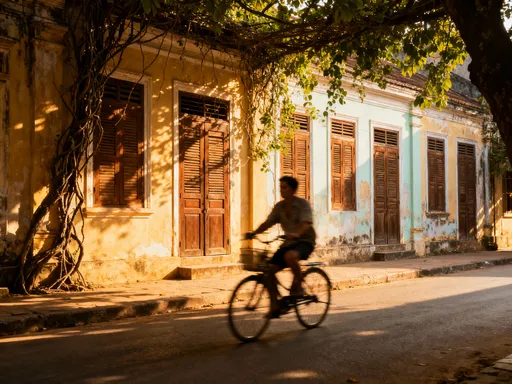
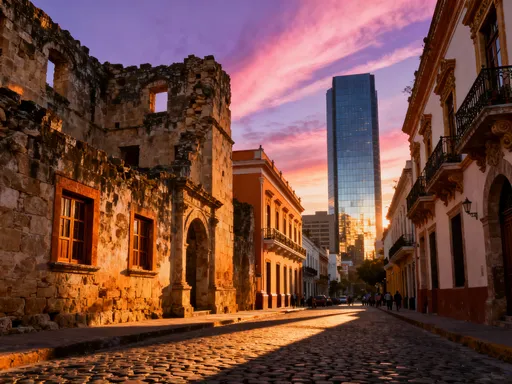
At the heart of Mérida lies its historic center, a meticulously preserved district where Spanish colonial architecture meets Andean practicality. The streets form a grid pattern, typical of 16th-century urban planning, with pastel-hued buildings featuring red-tiled roofs, carved wooden doors, and wrought-iron balconies spilling over with geraniums and bougainvillea. These facades, many dating back over two centuries, provide endless compositional opportunities—symmetrical lines, contrasting textures, and rich color combinations that pop even in overcast light. A single block can yield dozens of frames: the reflection of a church steeple in a rain puddle, the shadow of a shutter across a sunlit wall, or the silhouette of a cyclist passing beneath an arched gateway.
Plaza Bolívar, the city’s central square, serves as both social hub and living stage. By late afternoon, the plaza comes alive with musicians playing traditional llanero tunes on cuatro and harp, families strolling hand-in-hand, and vendors selling empanadas and fresh sugarcane juice. This is prime time for candid street photography. The soft, diffused light filtering through the surrounding trees creates a natural softbox effect, minimizing harsh contrasts while highlighting expressions and gestures. Position yourself near the fountain or along the perimeter benches to capture genuine interactions—laughter between friends, a vendor arranging fruit, a couple sharing a quiet moment on a bench.
Rising above the square is the Catedral de Mérida, a neoclassical structure with a pale façade and twin bell towers. Its clean lines and geometric symmetry make it a compelling subject, particularly at sunrise when the first rays strike its columns, setting them aglow against the still-darkened mountains. The interplay between sacred architecture and natural grandeur is striking—here, human craftsmanship meets the sublime scale of the Andes. Photographers often overlook interiors, but the cathedral’s nave, with its high vaulted ceiling and stained-glass windows casting colored light onto marble floors, offers a quiet, contemplative contrast to the vibrancy outside. Always ask permission before photographing inside religious spaces, and be mindful of worshippers.
Beyond the main plaza, quieter side streets reveal hidden gems: family-run bakeries with hand-painted signs, artisans crafting leather goods in open-air workshops, and elderly women selling handmade cheese from wooden crates. These scenes aren’t staged for cameras—they’re part of daily life. The key to capturing them authentically is presence. Spend time in one area rather than rushing through. Let people become accustomed to your presence. A smile, a polite nod, or a simple 'buenos días' in Spanish can open doors to moments worth framing. Authenticity isn’t found in perfection; it’s found in the slightly crooked sign, the chipped paint, the wrinkled hands shaping dough. These are the details that tell a deeper story.
On the Wings of the Andes: Cable Car to the Clouds
One of Mérida’s most iconic experiences—and one of the most visually rewarding—is the Teleférico de Mérida, a cable car system that ascends from the city to the high páramo in a series of six stations. Stretching over 12 kilometers and reaching an elevation of 4,765 meters at Pico Espejo, it holds the distinction of being one of the highest and longest cable car routes in the world. For photographers, it’s not just transportation; it’s a moving observatory, offering a vertical journey through ecosystems, light conditions, and weather patterns. Each station presents a new chapter: from subtropical vegetation to alpine scrub, from clear skies to swirling fog, the transformation is both dramatic and photogenic.
The journey begins at Chinita Station, just outside the city, where the cabins—glass-walled and spacious—begin their ascent. As the city shrinks below, the view opens to sweeping panoramas of Mérida nestled in the valley, surrounded by jagged peaks. This is ideal for wide-angle landscape shots, especially in the early morning when the valley is filled with a soft, milky mist. Use a polarizing filter to enhance sky contrast and reduce glare on the glass, though be cautious of reflections. Shooting through the window requires pressing your lens close to the glass and using a lens hood to block stray light. Alternatively, some cabins allow brief photo stops at intermediate stations—take advantage of these to shoot handheld without obstruction.
Midway up, at Loma Redonda and Mucubají stations, the landscape shifts to highland lakes and páramo grasslands. Here, the frailejón plants dominate—giant rosette-forming plants adapted to cold, wet conditions, their silvery leaves glistening with dew. These are excellent subjects for macro and detail photography. The contrast between their fuzzy texture and the stark, open terrain creates compelling compositions. On clear days, the reflection of the mountains in Laguna Mucubají offers mirror-like symmetry, perfect for long exposures using a tripod. Early morning is best, when winds are calm and fog often hovers just above the water’s surface, creating an ethereal, dreamlike quality.
At the highest station, Pico Espejo, temperatures can drop below freezing, and oxygen levels are significantly reduced. This is not a place to linger without preparation. But for those who make the climb, the rewards are extraordinary. The world here feels alien—rocky outcrops, frost-covered ground, and clouds rolling in like waves across an invisible sea. When the sun breaks through, the light is sharp and crystalline, casting long, dramatic shadows. Use a tripod for stability in windy conditions, and protect your gear with sealed bags when moving between extreme temperature zones to prevent condensation. A wide-angle lens is essential for capturing the vastness, while a telephoto can isolate distant peaks or swirling fog patterns. This is where photography becomes meditation—a slow, deliberate act of witnessing nature’s raw power and silence.
The Highland Trail: Hiking Routes as Photo Journeys
While the cable car offers a breathtaking aerial perspective, nothing compares to the intimacy of exploring Mérida’s highlands on foot. The region boasts a network of well-marked trails that wind through cloud forests, river valleys, and remote villages, each offering unique photographic opportunities. Unlike crowded hiking destinations elsewhere, these paths remain relatively untouched by mass tourism, meaning fewer people in your frame and more chances to capture nature undisturbed. Trails such as the route to La Negra Waterfall or the trek toward Chorro El Indio combine moderate difficulty with stunning visual payoffs, making them ideal for photographers who want both adventure and artistry.
The La Negra path, starting near the village of Jají, begins with a gentle descent through oak and ceibo trees, their branches draped in moss and lichen. Morning light filters through the canopy in soft beams, illuminating patches of ferns and wildflowers. This is prime time for atmospheric photography—mist curls around tree trunks, and the air feels thick with stillness. Use a narrow aperture (f/8 to f/16) to maximize depth of field, ensuring both foreground details and distant layers remain sharp. A circular polarizer can deepen greens and reduce glare on wet leaves, enhancing the sense of moisture and life. As you approach the waterfall, the sound of rushing water grows louder, and the light shifts—brighter near the cascade, darker in the surrounding rocks. Capture the motion of the water with a slow shutter speed (1/2 to 2 seconds), using a tripod to keep the rest of the scene stable.
Further along, the trail opens to views of the valley below, where patchwork fields and red-tiled roofs dot the landscape. This is where landscape composition comes into play—look for leading lines, such as a stone wall or a winding path, to guide the viewer’s eye through the frame. Include a foreground element, like a flowering bush or a weathered bench, to add depth. Midday light can be harsh here, so seek shaded areas or wait for clouds to diffuse the sun. Late afternoon brings golden light that warms the stone buildings and highlights the texture of the fields, ideal for capturing the harmony between human settlement and natural terrain.
Another rewarding route leads to Chorro El Indio, a secluded waterfall surrounded by dense vegetation. The trail passes through small farming communities where locals tend to potato and barley crops. These encounters—farmers guiding mules, children waving from doorways, women hanging laundry on outdoor lines—add human dimension to your visual narrative. Always ask before photographing people. A simple gesture, a smile, or a few words in Spanish can lead to meaningful interactions. Some may invite you into their homes for a cup of coffee or a taste of fresh cheese—moments that transcend the photograph itself. These are the stories that make a portfolio memorable: not just what you saw, but what you felt.
Village Vignettes: Timotes and the Valley of Flavors
Just a short drive from Mérida lies the Tovar region, home to the quiet village of Timotes—a place where time seems to slow and tradition holds strong. Known for its agricultural richness, Timotes offers a different rhythm from the city: wooden barns with sloping roofs, fields of potatoes and onions stretching toward the hills, and smoke curling from clay ovens where bread is baked daily. The village has a rustic, unpolished beauty that appeals to photographers seeking authenticity over aesthetics. There are no souvenir shops or tourist traps—just real life, unfolding in quiet dignity.
The local market, held every weekend, is a treasure trove of textures and colors. Woven baskets overflow with tubers—purple potatoes, yellow yucca, red beets—each with its own earthy hue and texture. Vendors sit on wooden stools, their faces lined by years of sun and wind, offering cheese, honey, and handmade jams. These are ideal subjects for portrait photography. Approach with respect. Ask permission with a smile and a point to your camera. Many will nod, some may gesture for a small fee, which is fair and customary. Use natural light—position your subject near an open doorway or under a canopy where light is soft and even. A prime lens (50mm or 85mm) works well for isolating faces and capturing expression without distortion.
Outside the market, the countryside reveals more intimate scenes: a farmer repairing a stone wall, a dog napping in a sunlit patch, a child balancing a basket on her head. These moments don’t shout for attention—they whisper. The best photographs from Timotes aren’t the grand ones, but the quiet ones: a hand placing a loaf into an oven, a pair of boots by the door, a rooster strutting through a dirt yard. These details form the fabric of daily life. When edited together, they create a narrative that feels honest and grounded.
For those interested in food photography, Timotes offers rich material. Local dishes like pizca andudi—a soup made with potatoes, cheese, and herbs—can be photographed in home kitchens, where copper pots hang from the walls and wooden tables bear the marks of generations. Lighting is often warm and directional, coming from small windows. Use a high ISO (800–1600) to maintain shutter speed in low light, and shoot in RAW format to preserve detail in shadows and highlights. The goal isn’t perfection, but atmosphere—steam rising from a bowl, a hand stirring a pot, a grandmother watching with quiet pride. These are the images that linger.
Light, Lens, and Local Life: Timing Your Shots Right
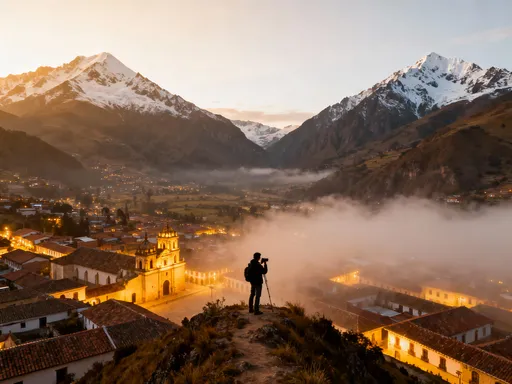
Photography in Mérida is as much about timing as it is about technique. The mountain climate brings rapid shifts in light and weather, demanding flexibility and anticipation. The golden hours—just after sunrise and before sunset—are your most valuable windows. At dawn, the city wakes slowly. Fog fills the valley, and the first light crests the eastern peaks, gradually illuminating the rooftops. This is the best time for cityscapes from elevated viewpoints like Cerro El Cuadrado, where you can capture Mérida emerging from the mist like a dream. Use a tripod and bracket exposures to ensure detail in both shadows and highlights, especially when including bright sky and dark foregrounds.
Midday light, often harsh in tropical regions, behaves differently in Mérida due to its altitude and frequent cloud cover. Thin, high-altitude clouds act as natural diffusers, softening sunlight and reducing contrast. This makes midday surprisingly good for portraits. The light bounces off whitewashed walls, creating a wraparound effect that flatters skin tones. Seek out shaded doorways or covered patios where light is indirect but still bright. A reflector can help fill in shadows under hats or brims. This is also a good time to explore indoor markets or artisan workshops, where overhead lighting and natural skylights create even illumination.
As afternoon turns to evening, the western slopes of the Andes catch the last light, glowing in warm oranges and deep reds. Sunset views from Cerro El Espejo or the upper cable car stations are particularly dramatic, with long shadows stretching across the páramo and the sky painted in layers of pink and gold. Arrive early to scout compositions and set up your tripod. Use a remote shutter or timer to avoid camera shake. If shooting people during this time, position them with the sun behind or to the side for a rim light effect that separates them from the background.
Equally important is knowing when to put the camera down. Some of the most powerful experiences in Mérida happen outside the viewfinder. A conversation with a local farmer, a shared meal in a village home, the sound of wind through the frailejón—these are not just moments to photograph, but to live. The best photographs often come after you’ve stopped chasing them, when trust has been built and spontaneity takes over. Respect, patience, and humility are your most important tools. A camera can capture light, but only presence can capture meaning.
From Snapshots to Stories: Crafting Your Visual Narrative
Great photography from Mérida doesn’t rely on isolated beautiful images—it thrives on connection. The most compelling visual narratives combine wide landscapes with intimate details, creating a journey that feels emotional and complete. Think beyond the postcard shot. Yes, capture the cathedral at sunrise and the cable car vanishing into the clouds. But also photograph the boot in the mud, the hand shaping dough, the child’s bare feet on a stone step. These details ground the story in reality. They remind viewers that beauty exists not just in grand vistas, but in the everyday.
When editing, resist the urge to overprocess. Mérida’s natural contrast and color palette—soft greens, warm adobes, cool grays of stone and mist—speak for themselves. Enhance rather than transform. Adjust white balance to reflect the cool mountain air, boost clarity slightly to emphasize texture, and use subtle vignetting to guide the eye. Avoid heavy filters or artificial saturation; authenticity resonates more deeply than perfection. Organize your final collection like a story: opening with a wide establishing shot, moving into daily life, then climbing toward the highlands, and ending with a quiet, human moment. This arc mirrors the traveler’s experience and creates emotional continuity.
Whether you’re creating a personal album or a professional portfolio, let your work reflect not just what you saw, but what you felt. Photography is not documentation—it’s interpretation. In Mérida, where mountains frame every view and light shifts like breath, the act of photographing becomes a form of listening. You’re not just capturing images; you’re bearing witness to a place that lives quietly, deeply, and with dignity. This is what travel photography should be: not a checklist of sights, but a heartfelt conversation between viewer, photographer, and subject. When done with care, your images won’t just show Mérida—they’ll honor it.