What I Learned Fixing My Sleep—Without Trashing My Health
Ever lie awake, frustrated, watching the clock tick past 2 a.m.? I’ve been there—night after night, feeling drained but wired. I chased quick fixes: melatonin, herbal teas, even skipping screens. But what really helped wasn’t magic—it was tracking the right health indicators. Turns out, sleep isn’t just about hours. It’s about rhythm, recovery, and habits that quietly shape how well you rest. This is my real talk on what actually worked—and what almost made things worse.
The Sleep Struggle No One Talks About
Chronic sleep disruption affects millions, yet it’s often dismissed as a minor inconvenience or a personal failing. Many people, especially women between 30 and 55, carry the invisible weight of ongoing fatigue, juggling family responsibilities, work demands, and household management. The emotional toll is real: irritability, brain fog, low motivation, and a constant sense of being behind. These symptoms are not just side effects of a busy life—they are warning signals that something deeper is off.
One of the most persistent myths is that sleep quality is solely about duration. People believe that if they can just stay in bed for eight hours, they’re doing everything right. But that’s not how sleep works. Someone can spend eight hours in bed and only get four hours of actual restorative sleep. The difference lies in sleep efficiency, continuity, and alignment with natural biological rhythms. Without understanding this, efforts to improve sleep often miss the mark entirely.
For years, I tried to push through exhaustion, thinking I just needed more discipline. I blamed myself for being tired, assuming I wasn’t trying hard enough. I didn’t realize that insomnia isn’t a character flaw—it’s a complex condition influenced by hormones, stress, environment, and daily habits. My turning point came when I stopped seeing sleep as a passive state and started viewing it as a dynamic process that could be understood and improved with the right tools.
Why “Just Sleep More” Is Terrible Advice
Telling someone with chronic sleep issues to “just sleep more” is not only unhelpful—it’s dismissive. It’s like telling someone with joint pain to “just walk it off.” Sleep isn’t a switch you flip on; it’s a finely tuned biological process governed by circadian rhythms, hormonal cycles, and neurological activity. Simplifying it to a matter of willpower ignores the science behind why people struggle in the first place.
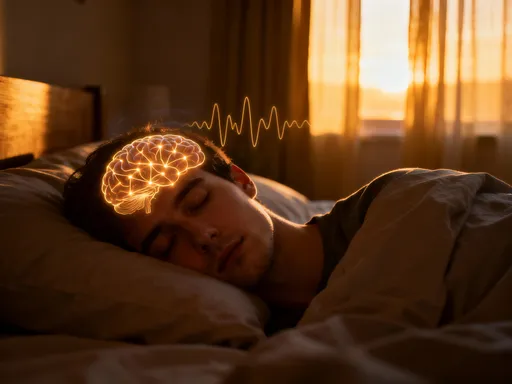
Sleep architecture—the pattern of sleep stages throughout the night—varies from person to person. Deep sleep, light sleep, and REM cycles all play distinct roles in physical recovery, memory consolidation, and emotional regulation. When this architecture is disrupted, no amount of time in bed will compensate. The real issue isn’t how long you’re lying down; it’s how efficiently your body transitions through these stages and how consistently you maintain them night after night.
Key health indicators like sleep efficiency (the percentage of time in bed actually spent asleep), wake-after-sleep-onset (WASO), and daytime alertness are far more telling than total hours logged. For example, a sleep efficiency below 85% is often classified as clinically significant insomnia. WASO—how long you stay awake after initially falling asleep—can reveal hidden disruptions that fragment rest and prevent deep recovery. These metrics matter because they reflect the quality of rest, not just its quantity.
Understanding these indicators shifted my perspective. Instead of obsessing over bedtime, I began focusing on what was happening during sleep. I realized that restlessness wasn’t just about stress or caffeine—it was about misalignment with my body’s internal clock. This insight opened the door to more effective, science-based changes rather than guesswork or wishful thinking.
My Biggest Mistake: Chasing Quick Fixes
Like many people desperate for relief, I turned to over-the-counter solutions. Melatonin supplements, valerian root, magnesium gummies—they promised quick results with no side effects. At first, some seemed to help. I’d fall asleep faster, and that felt like progress. But over time, the effects faded, and I found myself needing higher doses or rotating between different products just to feel any benefit.
What I didn’t realize was that these supplements were interfering with my body’s natural production of sleep-regulating hormones. Melatonin, for instance, is meant to rise naturally in response to darkness. Taking it artificially, especially at inconsistent times or incorrect doses, can confuse the circadian system. Instead of reinforcing a healthy rhythm, I was creating dependency and weakening my body’s ability to self-regulate.
My sleep schedule was just as inconsistent. Some nights I’d go to bed at 9 p.m., others at 1 a.m., depending on chores, moods, or late-night conversations. This irregularity disrupted cortisol and melatonin cycles, making it harder for my body to anticipate when it was time to wind down. The result? More fragmented sleep, frequent awakenings, and a growing sense of frustration that nothing was working.
The biggest lesson from this phase was that short-term solutions can backfire. Self-diagnosis and unproven remedies may offer temporary relief but often delay real progress. I learned to treat sleep like any other aspect of health: something that requires patience, consistency, and evidence-based strategies rather than quick fixes. The real work wasn’t in finding a magic pill—it was in rebuilding trust with my body’s natural rhythms.
The Metrics That Actually Mattered
When I finally started tracking my sleep with a wearable device, patterns emerged that I’d never noticed before. The data didn’t lie. I wasn’t sleeping as much as I thought, and my sleep was far more fragmented than I realized. But instead of feeling discouraged, I felt empowered. For the first time, I had objective information to guide my choices.
Three metrics stood out as the most meaningful: consistent sleep onset, reduced nighttime awakenings, and stable REM cycles. Sleep onset—the time it takes to fall asleep—should ideally be between 10 and 20 minutes. Falling asleep too quickly (under 5 minutes) can indicate severe sleep deprivation, while taking over 30 minutes suggests poor sleep readiness. By tracking this, I could see how factors like screen time, meal timing, and evening stress affected my ability to transition into sleep.
Nighttime awakenings were another critical indicator. Waking up once or twice briefly is normal, but prolonged periods of wakefulness after falling asleep—especially if they happen regularly—signal poor sleep continuity. These disruptions prevent the body from cycling deeply through restorative stages. I noticed that awakenings spiked on nights when I drank alcohol or ate late, even if I didn’t remember them clearly the next day.
REM sleep, which supports emotional processing and cognitive function, was surprisingly inconsistent. Some nights I’d get a solid block of REM; other nights it was nearly absent. Over time, I correlated better REM stability with earlier wake-up times and consistent morning light exposure. The takeaway was clear: small, measurable changes in daily habits had a direct impact on sleep quality. Progress wasn’t about perfection—it was about recognizing patterns and making adjustments that supported long-term balance.
How My Routine Changed—And Why It Stuck
The most effective changes weren’t dramatic—they were gradual and sustainable. The first was setting a fixed wake-up time, even on weekends. This single shift did more than any supplement ever did. By getting up at the same time every day, I anchored my circadian rhythm. Over time, my body began to anticipate sleep and wakefulness, making it easier to fall asleep at night and wake up feeling refreshed.
Morning light exposure became non-negotiable. Within 30 minutes of waking, I made it a habit to step outside, even if just for 10 minutes. Natural light helps regulate melatonin production and reinforces the body’s internal clock. On cloudy days or during winter months, I used a light therapy lamp. This simple practice improved my daytime alertness and made it easier to fall asleep at a reasonable hour.
In the evenings, I developed a wind-down ritual that signaled to my body that it was time to rest. This included turning off screens an hour before bed, dimming the lights, and engaging in quiet activities like reading or light stretching. I also paid attention to hydration and meal timing—drinking enough water during the day but reducing intake in the evening to minimize nighttime bathroom trips. Light evening meals, finished at least two to three hours before bed, prevented digestive discomfort from interfering with sleep.
Another crucial change was reducing cognitive load before bed. I stopped reviewing work emails, planning the next day’s schedule, or engaging in emotionally charged conversations in the hours leading up to sleep. Instead, I used a notepad to jot down any lingering thoughts, which helped clear my mind. This practice reduced mental arousal and made it easier to transition into a relaxed state. Each of these habits supported a specific health indicator: light exposure for circadian alignment, consistent wake times for rhythm stability, and reduced evening stimulation for better sleep onset and continuity.
When to Seek Help—And What to Track First
There’s a difference between temporary sleep disruption and chronic insomnia that requires professional attention. If sleep difficulties persist for more than three weeks, especially when accompanied by daytime fatigue, mood changes, or breathing issues like snoring or gasping during sleep, it’s time to consult a healthcare provider. These could be signs of underlying conditions such as sleep apnea, hormonal imbalances, or anxiety disorders.
Before seeing a doctor, it’s helpful to gather data. A simple sleep diary—recording bedtime, wake time, nighttime awakenings, and perceived sleep quality—can provide valuable insights. Tracking energy levels every four hours and noting mood trends can also reveal patterns that might not be obvious in the moment. Wearable devices can supplement this information, but they shouldn’t replace clinical evaluation.
Bringing this data to a medical appointment allows for a more accurate assessment. Doctors can use it to differentiate between primary insomnia and sleep disturbances caused by other health issues. They may recommend a sleep study, blood tests, or behavioral therapy like Cognitive Behavioral Therapy for Insomnia (CBT-I), which is considered the gold standard for long-term improvement.
It’s important to remember that no app, gadget, or supplement can replace professional medical guidance. While self-monitoring is empowering, it’s only one part of the puzzle. A healthcare provider can help interpret the data in the context of overall health and recommend safe, effective interventions tailored to individual needs.
Sleep as a Mirror of Overall Health
Sleep is not an isolated function—it’s a vital sign, much like blood pressure or heart rate. It reflects the state of both physical and mental well-being. When sleep improves, other health markers often follow: digestion becomes more regular, immune function strengthens, and concentration sharpens. Emotional resilience increases, making it easier to handle daily stressors without becoming overwhelmed.
For me, the long-term benefits of better sleep have been profound. Sustained energy throughout the day means I can be more present with my family and more productive at work. My mood is more stable, and I handle challenges with greater patience. I’ve also noticed improvements in appetite regulation and minor aches that used to linger—likely due to enhanced recovery during deep sleep.
Viewing sleep as a daily act of self-care has changed my relationship with it. It’s no longer something I sacrifice for the sake of productivity. Instead, it’s a foundation—one that supports everything else I do. The process taught me to listen to my body, trust objective data, and avoid the traps of quick fixes that promise results but deliver dependency.
Real progress came not from chasing sleep, but from creating the conditions for it to happen naturally. It required patience, consistency, and a willingness to learn. The most valuable lesson? Sleep isn’t a luxury. It’s a necessity—one that deserves attention, respect, and informed care. By treating it as such, we give ourselves the gift of better health, one restful night at a time.