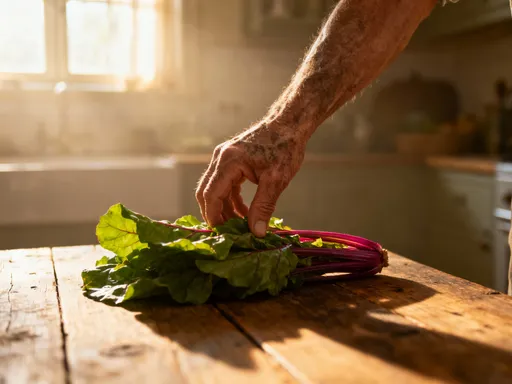
How I Healed My Body with Simple Plant-Based Swaps
What if the secret to feeling stronger, clearer, and truly alive wasn’t in a pill—but on your plate? After years of fatigue and slow recovery from minor illnesses, I turned to a whole-food, plant-based diet—not as a trend, but as a practical step toward real healing. This isn’t about perfection; it’s about progress. Here’s how simple, science-backed changes helped me regain energy, support my body’s recovery, and feel better than ever—naturally.
The Wake-Up Call: Recognizing the Need for Change
For years, I told myself that constant tiredness was just part of getting older. I’d wake up already exhausted, rely on coffee to get through the morning, and feel drained again by mid-afternoon. Colds seemed to linger for weeks, and even small cuts took longer than they used to heal. At first, I dismissed these signs as normal stress or busy parenting. But over time, the pattern became impossible to ignore. My body was sending messages—quiet ones, but persistent. I wasn’t recovering the way I once did, and something had to shift.
What I didn’t realize then was how deeply interconnected daily energy, immune response, and healing speed are with what we eat. Modern life often encourages quick fixes—energy drinks, over-the-counter remedies, skipping meals—but these don’t address the root causes. Chronic fatigue and slow recovery are not inevitable. They can be signs of systemic imbalances, such as chronic low-grade inflammation, suboptimal gut health, or nutrient deficiencies that build up over time. The body is designed to repair itself, but it needs the right raw materials to do so.
It wasn’t one dramatic diagnosis that changed my path, but a growing awareness. I began reading about how food influences inflammation, immunity, and cellular repair. I learned that many common symptoms—like brain fog, sluggish digestion, and frequent infections—are linked to dietary patterns. This wasn’t about chasing a fad or losing weight. It was about giving my body the support it had been missing. The turning point came when I decided to stop ignoring the small signals and start listening. Healing begins not with a miracle, but with attention.
Why Plants? The Science Behind Plant-Powered Recovery
When I first considered shifting toward a plant-based diet, I wondered if it would truly make a difference. Was it just another wellness trend, or was there real science behind it? What I discovered was both reassuring and empowering: whole plant foods provide essential compounds that directly support the body’s natural repair systems. This isn’t about magic—it’s about biology. Plants are rich in antioxidants, fiber, and phytonutrients, all of which play distinct and well-documented roles in recovery and resilience.
Antioxidants, found abundantly in fruits, vegetables, nuts, and seeds, help neutralize oxidative stress. Every day, our cells produce free radicals as a byproduct of metabolism. In balance, these are harmless. But when they accumulate—due to poor diet, stress, or environmental factors—they can damage cells and slow healing. Antioxidants act like tiny repair crews, stabilizing these molecules and reducing cellular wear and tear. Berries, dark leafy greens, and colorful peppers aren’t just nutritious—they’re protective.
Fiber, another plant-powered advantage, supports the gut microbiome, which is increasingly recognized as central to immune function. About 70% of the immune system resides in the gut, and a diverse, balanced microbiome helps regulate inflammation and defend against pathogens. Whole grains, legumes, and vegetables feed beneficial gut bacteria, promoting a stronger internal environment. Unlike processed foods that can disrupt this balance, plant-based fiber creates stability.
Then there are phytonutrients—natural compounds in plants that give them their vibrant colors and distinct health benefits. These substances, such as flavonoids in apples or sulforaphane in broccoli, have been studied for their role in supporting cellular repair and reducing inflammation. They don’t replace medical care, but they do provide the body with tools it can use to function more efficiently. The science doesn’t claim that plants cure disease, but it consistently shows that they create conditions where healing is more likely to occur. Food, in this sense, becomes a form of daily maintenance—like oil for an engine or water for a garden.
Cutting Out the Noise: What I Removed (and Why)
Changing what I ate wasn’t just about adding new foods—it was also about removing ones that might be holding me back. I didn’t do this overnight, nor did I aim for perfection. Instead, I started by observing how certain foods made me feel. I noticed that meals high in processed ingredients often left me bloated and sluggish. Sugary snacks gave a brief energy spike, followed by a crash that made afternoon focus nearly impossible. These patterns weren’t just inconvenient—they were clues.
Processed foods, especially those high in refined sugars and unhealthy fats, are known to promote inflammation. Chronic inflammation is linked to a wide range of health challenges, including slower tissue repair and weakened immune response. While the body can handle occasional indulgences, a diet built on these foods can create a constant state of low-grade stress at the cellular level. I began to see these items not as treats, but as contributors to the fatigue I was trying to overcome.
I also reconsidered my intake of animal-based products, particularly those high in saturated fat, such as red meat, full-fat dairy, and processed meats. Research suggests that diets high in these foods may increase inflammatory markers in the body. This doesn’t mean everyone must eliminate them entirely, but for me, reducing them created space for more nutrient-dense options. I wasn’t making this choice out of ideology, but out of curiosity—what would happen if I let plants take center stage?
The goal wasn’t restriction for its own sake, but clarity. By simplifying my diet and removing the most disruptive elements, I could better notice the effects of what remained. It wasn’t about labeling foods as ‘good’ or ‘bad,’ but about understanding their impact. This shift wasn’t punitive—it was investigative. And what I found was that my energy levels stabilized, my digestion improved, and I no longer felt that constant undercurrent of fatigue.
Building the Plate: My Daily Plant-Based Framework
One of the biggest questions I had at the start was practical: What does a healing-focused, plant-based meal actually look like? I didn’t want complicated recipes or expensive superfoods. I needed something sustainable, affordable, and satisfying—especially as someone who often cooks for a family. What emerged was a simple framework centered on variety, balance, and whole ingredients.
My typical day starts with a bowl of oats topped with chia seeds, banana, and a handful of frozen berries. This provides complex carbohydrates for steady energy, fiber for digestion, and antioxidants from the fruit. Lunch is often a large salad with mixed greens, chickpeas, roasted sweet potatoes, and a tahini-lemon dressing. The legumes offer plant-based protein, while the vegetables contribute a spectrum of vitamins and minerals. Dinner tends to be a warm, hearty dish—like lentil stew with carrots and tomatoes, or stir-fried tofu with broccoli and brown rice.
The key isn’t perfection, but consistency. I aim to include at least three different colors of vegetables at each meal, as different pigments often indicate different nutrients. I also make sure to include a source of plant protein—such as beans, lentils, or tempeh—with every main meal to support tissue repair and satiety. Whole grains like quinoa, barley, or farro are regulars, providing sustained energy and additional fiber.
Snacks are simple: an apple with almond butter, raw vegetables with hummus, or a small handful of mixed nuts. These keep hunger at bay without spiking blood sugar. The beauty of this approach is its flexibility. Leftovers become next-day lunches. Seasonal produce guides my shopping. There’s no rigid menu, but a guiding structure that makes healthy choices easier. Over time, this way of eating stopped feeling like a change and started feeling like home.
Key Nutrients for Healing—And Where I Get Them
One of the most common concerns about plant-based eating is whether it can truly meet nutritional needs—especially for protein, iron, vitamin B12, and omega-3 fatty acids. These are valid questions, and I had them too. But what I learned is that with thoughtful planning, a whole-food, plant-based diet can provide all the essential nutrients the body needs to heal and thrive.
Protein, for instance, is abundant in legumes, tofu, tempeh, edamame, and even whole grains like quinoa. Contrary to the belief that plant proteins are ‘incomplete,’ eating a variety of plant foods throughout the day ensures all essential amino acids are covered. I no longer count grams, but I do make sure that beans or lentils appear in at least two meals daily. These foods not only support muscle and tissue repair but also keep me full longer.
Iron is another nutrient often associated with meat, but plant sources like lentils, spinach, fortified cereals, and pumpkin seeds are rich in non-heme iron. The key is absorption: plant-based iron is better absorbed when paired with vitamin C. I make a point to include citrus, bell peppers, or tomatoes in meals with iron-rich foods. For example, a lentil salad with lemon dressing or spinach sautéed with tomatoes enhances iron uptake.
Vitamin B12 is not naturally found in plant foods, but it’s easily obtained through fortified products like plant milks, nutritional yeast, or a daily supplement. This is one area where supplementation is both safe and recommended for anyone following a plant-based diet. Omega-3 fatty acids, important for reducing inflammation and supporting brain health, are available in flaxseeds, chia seeds, walnuts, and hemp seeds. I add ground flaxseed to my morning oats or smoothies every day to ensure a steady intake.
The message isn’t that plant-based eating is automatically superior, but that it requires awareness. With a little knowledge, nutritional gaps can be prevented. And the benefits—increased energy, better digestion, improved recovery—make the effort worthwhile.
Real-Life Challenges and How I Stuck With It
Transitioning to a new way of eating wasn’t always smooth. There were days when I craved the comfort of familiar foods, especially during stressful times. Social gatherings were tricky—potlucks, family dinners, holiday meals—where plant-based options were limited. Time was another hurdle. As a busy parent, I didn’t always have hours to cook elaborate meals. These challenges were real, but they weren’t insurmountable.
What helped most was preparation. I started batch-cooking on weekends—making large pots of soup, cooking grains, and roasting vegetables in advance. This made weekday meals faster and reduced the temptation to reach for processed convenience foods. I also learned to keep healthy snacks on hand, like pre-cut vegetables, fruit, or trail mix, so I wouldn’t go hungry when plans changed.
When dining out, I began checking menus ahead of time and choosing restaurants with plant-forward options. Many places now offer vegan or vegetarian dishes that are both satisfying and nourishing. I also got comfortable making simple requests—asking for dressings on the side, substituting fries for a side salad, or adding beans to a dish for extra protein.
Mindset played a crucial role too. I stopped viewing slip-ups as failures. If I ate something that didn’t align with my goals, I didn’t berate myself. Instead, I returned to my routine at the next meal. Progress, not perfection, became the standard. Celebrating small wins—like trying a new vegetable or cooking a plant-based meal for guests—helped build confidence. Over time, the changes became habits, and the habits became a lifestyle.
Beyond the Plate: Sleep, Stress, and the Full Recovery Picture
Nutrition is powerful, but it doesn’t work in isolation. As I focused on food, I also began paying attention to other pillars of health: sleep, stress management, and gentle movement. These elements are deeply connected. Poor sleep can increase inflammation. Chronic stress can weaken immunity. Lack of physical activity can slow circulation and recovery. Healing is not just about what you eat, but about how you live.
I prioritized sleep by setting a consistent bedtime and creating a calming evening routine—turning off screens, drinking herbal tea, reading instead of scrolling. Even small improvements in sleep quality made a noticeable difference in my energy and mood. I also began incorporating light movement into my days: walking after meals, stretching in the morning, or practicing gentle yoga. These activities weren’t about intense workouts, but about keeping the body active and circulation strong.
Stress management became another focus. I started using simple breathing exercises during busy moments and made time for activities that brought me joy—gardening, listening to music, or talking with a close friend. These practices helped lower my stress levels, which in turn supported my body’s ability to heal. The synergy between diet, rest, and emotional well-being became clear: each one amplifies the others.
Food is a cornerstone, but true recovery is holistic. It’s about creating a life that supports health, not just a meal plan. When all these pieces come together—nourishing food, restful sleep, manageable stress, and regular movement—the body responds with greater resilience.
Conclusion: A Lifestyle, Not a Quick Fix
Healing isn’t a race. It’s a gradual process, like tending to a garden. You plant the seeds, water them consistently, and over time, you see growth. My journey with plant-based eating wasn’t about dramatic transformation overnight, but about making small, sustainable choices that added up. The fatigue that once felt permanent began to lift. My immune system felt stronger. I recovered from illnesses faster and had more energy for the people and activities I love.
This way of eating isn’t a restrictive diet or a temporary fix. It’s a long-term commitment to self-care, grounded in science and supported by everyday practice. It doesn’t demand perfection, but it does ask for awareness—of what we eat, how we feel, and how our choices shape our health. For women in their 30s, 40s, and 50s, who often put everyone else first, this approach offers a way to reclaim vitality without sacrificing joy or simplicity.
If you’re considering a change, start small. Add one extra serving of vegetables today. Try a meatless meal this week. Pay attention to how you feel. And remember, you don’t have to do it alone—consulting a healthcare provider or registered dietitian can provide personalized guidance. Real health grows slowly, but it grows deep. With patience, compassion, and consistent care, your body can heal, renew, and thrive—one plant-based meal at a time.