How I Found My Way Back: A Real Talk on Qigong for Recovery
Ever felt stuck in your healing journey, like something’s missing beyond meds and rest? I’ve been there. After months of slow progress, I turned to qigong—not as a cure, but as support. What started as curiosity became a daily anchor. It didn’t fix everything overnight, but it brought balance, energy, and clarity I hadn’t felt in years. This is my story of how a quiet practice helped me reconnect with my body and support recovery—one breath at a time.
The Hidden Gap in Recovery: Why Healing Needs More Than Rest
Recovery is often portrayed as a straightforward path: rest, follow medical advice, and wait for the body to heal. But for many, the journey is anything but linear. Fatigue lingers long after the acute phase has passed. Motivation dips. Emotional strain builds quietly, like tension in a rope pulled too tight. These are common experiences, yet they are rarely addressed in standard rehabilitation protocols. While rest and medical treatment are essential, they often focus narrowly on physical repair, leaving emotional resilience, mental focus, and energy regulation unattended.
This gap is where many people feel stranded. They follow instructions, attend therapy sessions, take prescribed medications, and still feel disconnected from their own bodies. The missing piece isn’t always another pill or procedure—it’s a sense of integration. Healing isn’t just about tissue regeneration or symptom management; it’s about restoring a sense of wholeness. This is where holistic approaches gain importance. The mind, emotions, and energy flow are deeply interconnected with physical health. When one area suffers, the others follow. A persistent low mood can weaken immunity. Chronic stress can delay recovery. Emotional numbness can make it harder to stay consistent with care routines.
Qigong offers a way to bridge this gap. It is not a replacement for medical treatment but a complementary practice that supports the entire system. By combining gentle movement, breath regulation, and mindful awareness, qigong helps restore balance across physical, mental, and emotional domains. It does not promise miracles, but it creates conditions in which the body can do its own healing more effectively. It is not about pushing harder or doing more—it’s about listening, aligning, and allowing. For someone navigating the slow, often frustrating pace of recovery, this shift in approach can be transformative.
What makes qigong especially relevant during recovery is its low demand on the body. Unlike high-intensity workouts or even some forms of physical therapy, it does not require strength, speed, or endurance. It meets people where they are—on bad days and good. It acknowledges that healing is not a performance. The emphasis is not on how much you do, but on how present you are while doing it. This gentle, inclusive nature makes it accessible to those with chronic conditions, post-surgical limitations, or long-term fatigue. It is not about achieving a perfect pose or mastering complex sequences. It is about showing up, breathing, and reconnecting.
What Is Qigong? Breaking Down the Basics Without the Hype
At its core, qigong is a practice of cultivating and balancing life energy, known in traditional Chinese philosophy as “qi” (pronounced “chee”). The word “qigong” itself combines “qi” with “gong,” meaning skill or practice. So, qigong translates to “the practice of working with life energy.” But despite the metaphysical terminology, the practice itself is grounded in simple, observable actions: slow movement, coordinated breathing, and focused attention. These elements work together to regulate the nervous system, improve circulation, and enhance body awareness.
It is important to clarify what qigong is not. It is not a religion, nor does it require any spiritual belief system to benefit from it. It is not a form of magic or mystical ritual. It is also not the same as yoga, though there are similarities. Yoga often emphasizes flexibility, strength, and alignment through postures, while qigong prioritizes fluidity, internal awareness, and energy flow. Similarly, tai chi is a martial art that evolved from qigong principles, but it involves more complex sequences and choreography. Qigong, by contrast, can be as simple as standing still and breathing with intention.
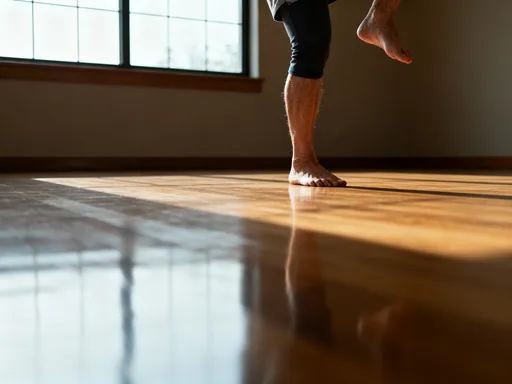
There are thousands of qigong forms, ranging from dynamic movements to seated meditations. Some are designed for specific health conditions, while others are general wellness practices. What unites them is the triad of movement, breath, and mind. A typical beginner exercise might involve raising the arms slowly in front of the body while inhaling, then lowering them while exhaling, all while maintaining a soft gaze and relaxed posture. The physical action is minimal, but the internal effect can be profound. Over time, this simple act can help regulate heart rate, reduce muscle tension, and calm the mind.
One of the greatest strengths of qigong is its accessibility. No special equipment is needed. It can be practiced at home, in a garden, or even beside a hospital bed. It does not require a fitness background or prior experience. People with limited mobility can adapt the movements—performing them seated or even visualizing the motions if physical effort is too great. This inclusivity makes it a valuable tool for those in various stages of recovery, whether from surgery, illness, or prolonged stress. The practice meets the individual, not the other way around.
Why Qigong Fits Recovery: The Science Behind the Stillness
While qigong has roots in traditional Chinese medicine, modern science increasingly supports its benefits. Research in psychoneuroimmunology—the study of how the mind, nervous system, and immune system interact—has shown that slow, mindful movement can positively influence physiological function. One of the most well-documented effects is on the autonomic nervous system. Many recovery processes are hindered by a chronically activated sympathetic nervous system—the “fight or flight” response. Qigong helps shift the body into the parasympathetic state, often called “rest and digest,” where healing and repair occur more efficiently.
Deep, diaphragmatic breathing, a cornerstone of qigong, plays a key role in this shift. When breathing is slow and rhythmic, it stimulates the vagus nerve, which helps regulate heart rate, digestion, and inflammation. Studies have shown that regular practice of breath-centered exercises can lower levels of cortisol, the primary stress hormone, and reduce markers of systemic inflammation. Since chronic inflammation is linked to numerous health conditions—including heart disease, diabetes, and autoimmune disorders—this effect is particularly valuable during recovery.
Sleep disturbances are another common challenge in recovery, and qigong has demonstrated positive effects in this area as well. A 2013 study published in the journal *BMC Complementary Medicine and Therapies* found that older adults who practiced qigong regularly reported improved sleep quality and reduced fatigue. The combination of physical stillness, mental focus, and breath regulation appears to reset the body’s internal clock and promote deeper rest. Better sleep, in turn, supports tissue repair, cognitive function, and emotional stability.
Pain perception is also influenced by qigong practice. While it does not eliminate pain, it can change the relationship to it. Mindfulness components help individuals observe discomfort without reacting with fear or resistance, which can reduce the overall intensity of the experience. Over time, this can lead to decreased reliance on pain medication and greater confidence in managing symptoms. Additionally, improved circulation from gentle movement helps deliver oxygen and nutrients to damaged tissues, supporting natural healing processes. These benefits do not appear overnight, but with consistent practice, they accumulate, creating a foundation for sustained recovery.
My First Steps: Starting Small When You’re Low on Energy
After my surgery, I was told to rest, move gently, and follow my physical therapy routine. I did all of that, but weeks passed with little improvement. I felt foggy, weak, and emotionally drained. One afternoon, while searching online for ways to boost energy, I came across a short video of a woman practicing qigong in her living room. She wasn’t athletic or dramatic—just calm, centered, and present. I decided to try one five-minute exercise: standing quietly, arms rising and falling with the breath.
I won’t say I felt transformed after that first session. But that night, I slept more deeply than I had in months. The next morning, I didn’t wake up with the usual heaviness in my chest. Encouraged, I repeated the same simple routine the following day. I didn’t push myself to do more. I didn’t expect miracles. I just showed up. Over the next two weeks, I noticed subtle shifts. My mind felt clearer. I could concentrate on reading for longer periods. The constant background hum of anxiety began to quiet down.
There were still hard days. Some mornings, even lifting my arms felt like too much. On those days, I modified the practice—sometimes just focusing on breathing while lying down. I learned that consistency mattered more than intensity. It wasn’t about how much I did, but that I did something. This mindset helped me stay engaged without guilt or pressure. I began to see qigong not as another task on my to-do list, but as a moment of care, a small act of kindness toward myself.
The turning point came about a month in, when I realized I was no longer dreading my recovery. Instead of feeling like a passive patient waiting to heal, I felt like an active participant. I wasn’t fighting my body—I was listening to it. This shift in perspective was more powerful than any physical change. It gave me patience. It gave me hope. And it made the entire process feel more manageable, even on difficult days.
Building a Routine That Sticks: The 3-Minute Rule That Changed Everything
One of the biggest obstacles in recovery is maintaining consistency. Fatigue, pain, and low motivation can make even small tasks feel overwhelming. I learned early on that aiming for long sessions set me up for failure. Instead, I adopted the “3-minute rule”: I committed to practicing for just three minutes a day. That was it. If I felt up to more, I could continue. But the minimum was only three minutes. This tiny commitment removed the pressure and made it nearly impossible to skip.
Surprisingly, most days, once I started, I wanted to keep going. Three minutes often turned into ten or fifteen. But on the days when that didn’t happen, I still honored my practice. Over time, this built a sense of reliability—not just in the routine, but in myself. I was showing up, day after day, even when I didn’t feel like it. That consistency, more than any single session, became the foundation of progress.
I began to gently expand the practice. In week two, I added a second short session in the evening. By week four, I was practicing 15 to 20 minutes daily, alternating between standing and seated forms. I found beginner-friendly videos that guided me through simple sequences like “Lifting the Sky,” where the arms rise overhead as if carrying light, and “Separating Heaven and Earth,” where one hand rises while the other lowers, creating a sense of balance. These movements were easy to learn and didn’t strain my body.
The key was not to aim for perfection. Some days my form was off. Some days my mind wandered. But I kept returning. I treated each session as an act of self-respect, not performance. This mindset shift—from achievement to presence—made all the difference. The routine wasn’t about how well I did it, but that I did it at all. And over time, that small daily act became a source of quiet strength.
Beyond the Body: How Qigong Soothed My Mind During Healing
One of the most unexpected benefits of qigong was its effect on my emotional state. Before starting the practice, I was prone to frustration—impatient with my slow progress, anxious about setbacks, and overwhelmed by the uncertainty of recovery. Qigong didn’t erase these feelings, but it gave me tools to navigate them. The breath became an anchor. When anxiety arose, I could return to slow, deep breathing and feel my body settle.
Mindfulness, woven into every movement, taught me to observe my thoughts without getting caught in them. I began to notice patterns—how a single negative thought could spiral into hours of worry. With practice, I learned to pause, breathe, and let go. This didn’t happen overnight, but gradually, my emotional responses became less reactive. I developed a greater capacity for patience, not just with my recovery, but with myself.
Daily qigong also became a form of self-care that was entirely mine. Unlike therapy appointments or medical checkups, it wasn’t something I did because I had to. It was something I chose. This sense of agency was powerful. In a phase of life where so much felt out of control, this small ritual gave me a sense of autonomy. It reminded me that I was still capable of caring for myself, even in limitation.
Over time, a quiet confidence grew. It wasn’t loud or dramatic—it was the steady knowledge that I could show up for myself, day after day. This inner resilience became one of the most valuable outcomes of the practice. Healing isn’t just about the body returning to function; it’s about the mind learning to trust the process. Qigong helped me rebuild that trust, one breath at a time.
Making It Your Own: Practical Tips for Starting Safely and Sustainably
If you’re considering qigong as part of your recovery, the most important first step is to consult with your healthcare provider, especially if you have a chronic condition or are in active treatment. While qigong is gentle, it’s essential to ensure it fits within your overall care plan. Once you have clearance, the next step is finding reliable resources. Look for beginner-friendly videos or apps created by certified instructors. Avoid programs that make exaggerated claims or pressure you to push beyond your limits.
Start small. Begin with just three to five minutes a day. Choose a quiet space where you won’t be interrupted. Wear comfortable clothing and stand or sit in a relaxed position. Focus on your breath—inhale slowly through the nose, exhale through the mouth. You don’t need to learn complex forms right away. Simple practices like “Standing Like a Tree” (feet shoulder-width apart, arms gently rounded in front of the body, breathing deeply) can be profoundly effective.
Listen to your body. If something feels uncomfortable, adjust or stop. Qigong should never cause pain. It’s not about pushing through resistance, but about cultivating awareness and ease. Some days you may do more; other days, less. That’s okay. The goal is consistency, not intensity.
Consider pairing qigong with other recovery practices. It complements physical therapy by improving body awareness and reducing tension. It supports nutritional healing by enhancing digestion and circulation. And it deepens the benefits of rest by promoting better sleep and mental clarity. The more integrated it becomes in your routine, the greater its impact.
Conclusion
Qigong didn’t magically heal me—but it gave me tools to participate in my own recovery. It taught me that healing isn’t just about fixing what’s broken, but about rebuilding connection, rhythm, and resilience. It showed me that even in weakness, there is strength in presence. Even in stillness, there is movement. And even in uncertainty, there is peace in the next breath.
If you’re in recovery, this quiet practice might not be the answer, but it could be a gentle ally. It doesn’t demand much—just a few minutes, a willingness to try, and a commitment to showing up for yourself. And sometimes, that’s exactly what you need. In a world that often measures progress by speed and output, qigong offers a different path: one of patience, presence, and quiet transformation. It reminds us that healing is not a race, but a return—to balance, to breath, to ourselves.