How I Found My Balance in Just 10 Minutes a Day
Ever feel like your energy is drained before the day even starts? I was there—overwhelmed, unfocused, and constantly tired. Then I tried a simple mix of yoga and meditation rooted in traditional Chinese wellness principles. No magic, no hype—just real shifts in how I felt. After just a few weeks, my stress dropped, my focus sharpened, and I finally felt lighter. This isn’t about perfection. It’s about progress. And it all started with a quick daily check-in with myself. What began as a quiet experiment turned into a sustainable practice that reshaped not only my mornings but my mindset, my resilience, and my relationship with my body. This is not a miracle cure or a trendy wellness fad—it’s a grounded, science-informed, and culturally respectful approach to feeling more like yourself again.
The Wake-Up Call: Why I Needed a Health Reset
For years, I wore exhaustion like a badge of honor. Rising early, juggling family needs, managing work deadlines, and still trying to keep the house running—it all felt like part of being a capable woman. But slowly, the cost became impossible to ignore. I was chronically fatigued, not just physically but mentally. My thoughts felt scattered, my patience worn thin, and even small setbacks would trigger disproportionate frustration. I began to notice physical signs: tension in my shoulders, frequent headaches, and restless sleep. I’d lie awake at night, mentally reviewing the day’s to-do list or worrying about tomorrow’s responsibilities. It wasn’t burnout in the dramatic sense, but a quiet, persistent erosion of my well-being.
At first, I turned to familiar Western solutions—better sleep hygiene, vitamin supplements, and time management apps. While helpful in small ways, they didn’t address the root of how I was feeling. I began to wonder if wellness wasn’t just about fixing symptoms but about tuning into my body’s signals before they turned into distress. That curiosity led me to explore holistic health traditions, particularly those from Chinese wellness philosophy. I wasn’t looking for exotic rituals, but practical wisdom that had supported generations of women in maintaining balance amid life’s demands. What stood out was the emphasis on harmony—between mind and body, effort and rest, activity and stillness.
The concept of Qi, often translated as vital energy or life force, intrigued me not as a mystical idea but as a metaphor for overall vitality. In traditional Chinese thought, when Qi flows smoothly, we feel alert, calm, and resilient. When it’s blocked or depleted, we experience fatigue, irritability, and physical discomfort. This framework didn’t replace medical understanding but complemented it by focusing on prevention and daily awareness. It encouraged me to ask not just “What’s wrong?” but “How am I holding myself? How am I breathing? What am I carrying emotionally?” These questions became the foundation of my daily check-in practice.
Why Quick Health Checks Actually Work
One of the most powerful insights I gained was that wellness doesn’t require hours of effort. In fact, research supports the idea that brief, consistent self-assessments can yield significant benefits. Studies in mindfulness and psychophysiology show that even two to five minutes of intentional attention can improve self-awareness, regulate the nervous system, and reduce cortisol levels. The key is regularity, not duration. A daily 10-minute pause acts like a system reboot for the mind and body, allowing you to catch imbalances before they escalate into more serious issues.
Think of it like checking your car’s dashboard. You don’t wait for the engine to fail—you glance at the gauges regularly to monitor fuel, temperature, and pressure. Similarly, a daily wellness check helps you notice early warning signs: a clenched jaw, shallow breathing, or a low-grade sense of anxiety. These are not emergencies, but signals that your system is under strain. When you respond early, with simple adjustments like stretching or slow breathing, you prevent the buildup of stress that can lead to fatigue, insomnia, or digestive issues.
The science behind this is clear. Mindfulness practices have been shown to enhance activity in the prefrontal cortex, the part of the brain responsible for decision-making and emotional regulation. At the same time, they reduce reactivity in the amygdala, which governs fear and stress responses. This means that over time, regular check-ins can help you respond to challenges with more calm and clarity, rather than reacting impulsively. It’s not about eliminating stress—life will always have demands—but about building resilience so you’re not overwhelmed by them.
Another benefit is the cultivation of interoception, or the ability to sense what’s happening inside your body. Many of us are so focused on external tasks that we lose touch with internal cues. We eat when it’s time, not when we’re hungry; we push through fatigue instead of resting. A daily check-in reawakens this inner awareness. It’s like tuning an instrument before playing—small adjustments make a big difference in how you function throughout the day.
Blending Yoga and Meditation with Time-Honored Wisdom
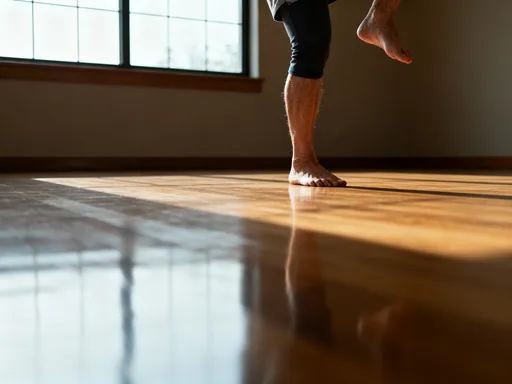
The routine I developed combines gentle yoga movements with mindful breathing, inspired by both modern science and traditional Chinese wellness practices. The goal isn’t flexibility or fitness, but alignment—of breath, posture, and attention. Each movement is designed to encourage the smooth flow of energy, reduce physical tension, and create a sense of centeredness. Importantly, this is not about performance. There’s no need to hold perfect poses or meditate for long periods. It’s about presence, not perfection.
For example, seated spinal twists—simple rotations of the torso while sitting in a chair—help release tension in the back and improve circulation to the internal organs. In Chinese medicine, the spine is seen as a central channel for energy, and gentle twisting is believed to support detoxification and balance. Similarly, forward bends, even when done gently from a seated position, activate the parasympathetic nervous system, which helps the body shift from “fight or flight” to “rest and digest.” These movements don’t require a yoga mat or special clothing—they can be done in pajamas, before the household wakes up.
Breathwork is another cornerstone. Diaphragmatic breathing, where you breathe deeply into the belly rather than the chest, has been shown to lower heart rate and blood pressure. In traditional practices, this is often called “abdominal breathing” and is considered a way to nourish Qi. I start each session by placing one hand on my chest and one on my abdomen, noticing whether my breath is high and shallow or deep and steady. Just three to five slow breaths can create a noticeable shift in my state of mind.
It’s important to emphasize that this practice is not a substitute for medical care. If you have chronic pain, a diagnosed condition, or ongoing symptoms, you should consult a healthcare provider. However, as a daily support for overall well-being, this blend of movement and mindfulness offers a gentle, accessible way to stay connected to your body and mind. It’s preventive care in its most personal form—listening to yourself before you need to.
My 3-Step Daily Check-In Routine (Simple & Doable)
After experimenting with different approaches, I settled on a three-step routine that takes no more than 10 minutes. It’s designed to be flexible, repeatable, and easy to remember. I do it first thing in the morning, but it can be done at any time of day—after work, during a break, or before bed. The key is consistency, not timing.
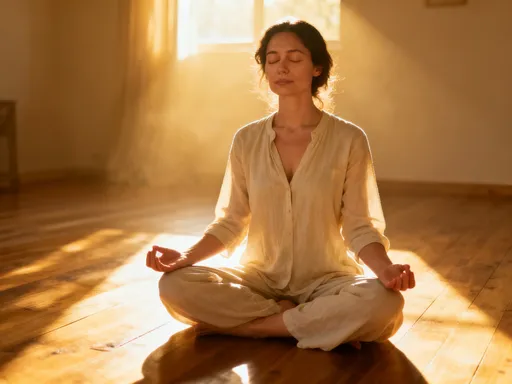
Step 1: Body Scan – I begin by sitting quietly, feet flat on the floor, hands resting on my lap. I take a few natural breaths and then slowly scan my body from head to toe. I notice where I hold tension—often in the jaw, shoulders, or lower back. I observe temperature differences, like cold hands or a warm forehead. I check my posture: am I slumping or sitting upright? This isn’t about fixing anything, just noticing. If I feel tightness, I don’t force it to release; I simply acknowledge it. This step takes about three minutes and builds body awareness without judgment.
Step 2: Breath Check – Next, I shift my attention to my breathing. I ask myself: Is my breath smooth or jagged? Am I breathing into my chest or my belly? I don’t change it yet—just observe. Then, I gently deepen the breath, inhaling slowly through the nose, feeling the abdomen rise, and exhaling fully. I repeat this for five to eight cycles. This step helps reset the nervous system. If I’m anxious, my breath tends to be fast and shallow; if I’m fatigued, it might be slow and incomplete. Adjusting the breath sends a signal to the brain that it’s safe to relax.
Step 3: Mind Mood Check – Finally, I turn inward emotionally. I ask, “What am I feeling right now?” It could be calm, restless, hopeful, or weary. I name the emotion without trying to change it. Sometimes I feel nothing in particular—and that’s okay. The goal is not to feel a certain way, but to be honest with myself. This brief emotional inventory helps me start the day with greater self-awareness. If I notice stress or sadness, I don’t suppress it; I simply make space for it, which often reduces its intensity.
This routine evolved over time. At first, I tried to do more—longer meditations, complex poses—but I often skipped it because it felt like a chore. When I simplified it to these three steps, it became sustainable. I don’t always do it perfectly. Some days I’m distracted, rushed, or forgetful. But even a partial check-in is better than none. The practice isn’t about achievement; it’s about showing up.
What Changed? Real Shifts After 30 Days
Within the first week, I noticed subtle differences. I was more aware of my posture during the day, catching myself before slumping at the desk. I started pausing before reacting to stressful moments—like a delayed school bus or a last-minute request from work. That small gap between stimulus and response made a big difference in my emotional regulation. By the end of the first month, the changes were more pronounced. My sleep improved—I fell asleep faster and woke up feeling more rested. The tension headaches that used to plague me twice a week became rare. I had more mental clarity, especially in the afternoon, when I used to hit a wall of fatigue.
What surprised me most was how others noticed. My daughter commented that I seemed “less rushed,” and my husband said I was “easier to talk to.” These weren’t dramatic transformations, but quiet shifts in how I showed up in relationships. I wasn’t trying to be different—I was just more present. I also became better at recognizing when I needed to rest. Instead of pushing through exhaustion, I’d take a short walk, do a few breathing exercises, or simply sit quietly. This didn’t make me less productive; it made me more sustainable.
It’s important to clarify that this practice didn’t “cure” anything. I still have busy days, moments of stress, and physical discomfort. But I now have tools to respond more skillfully. I’ve developed what some researchers call “early detection resilience”—the ability to notice small signs of imbalance and make gentle corrections before they become bigger issues. This is the true value of a daily check-in: it builds self-knowledge, which is the foundation of long-term well-being.
Common Missteps (And How to Avoid Them)
When I first started, I made several common mistakes. I expected immediate results and felt discouraged when I didn’t feel transformed after a few days. I tried to do too much—adding extra poses, longer meditations, or journaling—until the routine felt overwhelming. I also experienced guilt when I missed a day, which sometimes led me to skip multiple days in a row. These missteps are normal, especially for women who are used to striving for perfection in all areas of life.
The most important lesson I learned is that consistency matters more than intensity. Missing a day doesn’t ruin progress. In fact, self-compassion is part of the practice. When I began to treat the routine as an act of care rather than a test of discipline, it became easier to return to it. I also realized that “less is more.” Three minutes of genuine attention is more valuable than 20 minutes of distracted effort. The goal isn’t to achieve a particular state but to cultivate awareness.
Another pitfall is turning self-assessment into self-criticism. It’s easy to look inward and focus on what’s “wrong”—tight muscles, anxious thoughts, low energy. But the check-in is not a performance review. It’s an opportunity to listen with kindness. Instead of thinking, “I shouldn’t feel tired,” I learned to say, “I notice I’m tired. What do I need right now?” This shift from judgment to curiosity makes all the difference.
To stay consistent, I paired the practice with an existing habit—drinking my morning tea. I don’t start sipping until after my 10 minutes are done. This simple cue helps anchor the routine in my day. Others might link it to brushing their teeth, feeding a pet, or arriving home from work. The key is to make it frictionless and meaningful.
Making It Last: Building a Sustainable Practice
Sustainability is the ultimate goal. Wellness isn’t a sprint; it’s a lifelong journey. The most effective practices are the ones you can maintain through travel, illness, or busy seasons. That’s why flexibility is essential. On hectic mornings, I might shorten the routine to five minutes—just breath and mood check. When I’m traveling, I do a modified version in my hotel room or even on a plane. During emotional lows, I focus more on the body scan, allowing myself to feel without fixing.
Personalization is also key. While the three-step framework works for me, others might benefit from adjusting the order, duration, or focus. Some days, movement might be more important; other days, stillness is what’s needed. The practice should serve you, not the other way around. Over time, you’ll develop an intuitive sense of what your body and mind require.
Patience and self-compassion are the cornerstones of long-term success. Wellness isn’t about achieving a perfect state of calm or energy. It’s about showing up for yourself, even in small ways, day after day. There will be setbacks—illness, family demands, emotional challenges. But each return to the practice reinforces your commitment to your well-being.
Finally, it’s important to remember that this routine complements, not replaces, professional care. If you experience persistent physical or emotional symptoms, consult a healthcare provider. Mindfulness and movement are powerful tools, but they are part of a broader approach to health that includes nutrition, medical support, and social connection.
True well-being isn’t about drastic overhauls but daily acts of awareness. By combining quick self-checks with mindful movement and breath, anyone can tap into a deeper sense of balance. This journey isn’t about achieving perfection—it’s about showing up for yourself, one small moment at a time. And sometimes, the shortest practices create the longest-lasting change.