Glow From Within: How Smart Movement Transforms Your Skin
You’ve probably heard that skincare starts on the inside — but what if your workout routine is the missing piece? Science shows that regular, intentional movement boosts circulation, reduces inflammation, and supports collagen production. I didn’t believe it until I tested it myself. After weeks of consistent, skin-friendly exercise, my complexion became noticeably brighter and calmer. This isn’t about extreme routines; it’s about smart, sustainable motion that fuels both health and beauty. The connection between physical activity and glowing skin is not just anecdotal — it’s rooted in physiology. When you move your body in balanced, thoughtful ways, you’re not just strengthening muscles or managing weight. You’re also creating internal conditions that allow your skin to regenerate, repair, and radiate. For women navigating the demands of family, career, and self-care, this approach offers a realistic, empowering path to lasting vitality — one that doesn’t require expensive treatments or drastic changes.
The Skin-Exercise Connection: More Than Just Sweat
At first glance, the idea that exercise improves skin might seem like modern wellness marketing. But decades of dermatological and physiological research support a clear link between physical activity and skin health. The mechanism begins with circulation. When you engage in moderate movement, your heart pumps more efficiently, increasing blood flow throughout the body — including to the outermost layers of the skin. This enhanced circulation delivers vital oxygen and nutrients such as vitamins A and C, which are essential for cell regeneration and antioxidant defense. At the same time, it helps carry away metabolic waste products like carbon dioxide and free radicals that can accelerate aging if left to accumulate.
One of the most significant benefits of this process is reduced oxidative stress. Oxidative stress occurs when there’s an imbalance between free radicals and antioxidants in the body, leading to cellular damage. Over time, this damage manifests in the skin as fine lines, uneven tone, and loss of elasticity. Studies published in journals such as Medicine & Science in Sports & Exercise have shown that individuals who engage in regular aerobic activity exhibit lower levels of oxidative stress markers compared to sedentary counterparts. This means their skin cells experience less daily wear and tear, preserving structural integrity longer.
Inflammation is another key factor connecting movement and skin appearance. Chronic low-grade inflammation has been linked to conditions like acne, rosacea, and premature aging. Exercise, particularly when consistent and moderate, helps regulate the body’s inflammatory response by modulating cytokine production — proteins involved in immune signaling. A 2018 review in Brain, Behavior, and Immunity highlighted that even 20 to 30 minutes of daily walking can lead to measurable reductions in systemic inflammation. For women in midlife, when hormonal shifts often trigger new skin sensitivities, this anti-inflammatory effect becomes especially valuable.
It’s important to note that these benefits depend on balance. Overtraining or engaging in excessively intense workouts without adequate recovery can have the opposite effect — increasing cortisol and inflammation. Therefore, the goal isn’t to push harder, but to move wisely. The science supports a model of sustainable, rhythm-based activity that aligns with the body’s natural healing cycles. When approached this way, exercise becomes less of a chore and more of a nurturing practice — one that supports not only cardiovascular health and muscle tone but also the very foundation of radiant skin.
Why Traditional Skincare Isn’t Enough
Most women spend years building a skincare routine centered around cleansers, toners, serums, and moisturizers. These products play an important role in protecting the skin barrier, hydrating the surface, and defending against environmental aggressors like UV rays and pollution. However, no matter how high-quality the ingredients, topical treatments can only penetrate so deeply. They work primarily on the epidermis — the outermost layer — while many of the processes that determine long-term skin health occur far below, in the dermis and even within internal systems.
Consider collagen, the protein responsible for skin firmness and elasticity. Topical creams containing peptides or retinoids may stimulate some collagen production, but their effectiveness is limited by absorption rates and formulation stability. In contrast, physical activity influences collagen synthesis from within by boosting fibroblast activity — the cells responsible for producing collagen and elastin. A study from McMaster University found that older adults who engaged in regular moderate exercise showed dermal thickness and collagen levels comparable to those of much younger individuals. This suggests that movement can literally turn back the clock at a structural level.
Similarly, cellular turnover — the process by which old skin cells are shed and replaced — slows with age and stress. While exfoliating acids like glycolic or lactic acid can accelerate surface renewal, they don’t address the root causes of sluggish turnover, such as poor circulation or hormonal imbalances. Exercise, on the other hand, supports metabolic efficiency and hormone regulation, creating an internal environment where skin cells naturally renew themselves more effectively.
External factors like sun exposure and pollution remain critical to manage, and sunscreen should never be skipped. But relying solely on topical solutions is like trying to polish the outside of a car while ignoring the engine. Lifestyle factors — including sleep quality, emotional stress, diet, and physical activity — shape the skin’s underlying resilience. Among these, movement stands out because it simultaneously improves circulation, balances hormones, reduces inflammation, and enhances lymphatic drainage. It’s not a replacement for good skincare, but a powerful complement — one that amplifies the results of every product you apply by improving the health of the canvas beneath.
The Right Kind of Movement for Radiant Skin
Not all forms of exercise deliver the same benefits for skin health. While any movement is better than none, certain types are particularly effective at promoting a clear, glowing complexion without triggering stress responses that could do more harm than good. The key lies in choosing activities that support balance — enhancing circulation and oxygenation while minimizing cortisol spikes and dehydration.
Low-impact cardiovascular exercise is among the most beneficial. Brisk walking, cycling, swimming, or using an elliptical machine elevates heart rate gently, encouraging steady blood flow without overtaxing the body. These activities are especially ideal for women managing busy schedules or joint sensitivities. A 30-minute walk in natural light offers dual advantages: it stimulates circulation and provides exposure to morning sunlight, which helps regulate circadian rhythms and supports balanced cortisol levels. Research shows that stable cortisol patterns are linked to fewer breakouts and less facial puffiness — common concerns for women over 30.
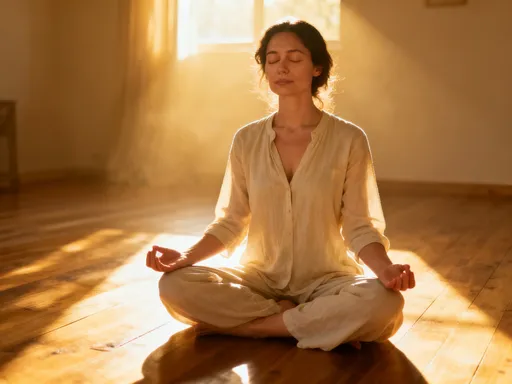
Yoga and mindful movement practices offer another powerful avenue for skin improvement. While they may not raise the heart rate significantly, their impact on stress reduction is profound. Chronic stress elevates cortisol, which in turn increases sebum production and inflammation — two major contributors to acne and redness. A regular yoga practice, even just 15 to 20 minutes a day, has been shown to lower cortisol and improve vagal tone, enhancing the body’s ability to relax and repair. Poses that involve gentle inversions — such as downward dog or legs-up-the-wall — can also promote lymphatic drainage, reducing under-eye puffiness and facial bloating.
Strength training, often overlooked in beauty-focused routines, plays a crucial role in hormonal balance and metabolic health. As women age, particularly during perimenopause and menopause, declining estrogen levels can lead to thinner skin, dryness, and loss of volume. Resistance exercises — using body weight, bands, or weights — help maintain lean muscle mass, which in turn supports insulin sensitivity and stable blood sugar. Stable glucose levels mean fewer glycation reactions, a process where sugar molecules attach to collagen and make it stiff and brittle. Stronger muscles also improve posture and confidence, contributing to an overall aura of vitality that reflects in the face.
The ideal routine combines these elements: a mix of cardiovascular activity, strength work, and flexibility training. This holistic approach ensures that all systems — circulatory, endocrine, lymphatic — are supported. The goal is not to achieve peak athletic performance, but to create a sustainable rhythm of movement that feels good and delivers lasting results — both visible and invisible.
Timing, Hydration, and Post-Workout Skin Care
When and how you exercise can significantly influence its effect on your skin. Timing matters because your body’s physiological responses vary throughout the day. Morning workouts, for instance, can kickstart circulation and metabolism, giving your skin a natural flush that lasts into the afternoon. They also help synchronize your circadian rhythm, which plays a role in skin repair cycles. The skin’s barrier function is strongest at night, and its regeneration peaks during sleep — so starting the day with movement supports this natural rhythm.
Evening exercise has its own benefits, particularly for stress relief and recovery. Gentle movement after work — such as a walk or restorative yoga session — can help transition the body from ‘fight-or-flight’ mode to ‘rest-and-digest,’ lowering cortisol and preparing the skin for overnight renewal. However, intense workouts too close to bedtime may disrupt sleep for some women, so moderation is key.
Hydration is another critical factor. During exercise, you lose fluids through sweat, and even mild dehydration can make the skin look dull and accentuate fine lines. Drinking water before, during, and after physical activity helps maintain skin turgor — the plumpness that gives a youthful appearance. Adding electrolytes, especially after longer sessions, supports fluid balance and prevents post-workout fatigue that can show on the face.
Post-workout skincare doesn’t need to be complicated, but it should be intentional. Sweat contains salt, urea, and bacteria that, if left on the skin for too long, can clog pores and cause irritation. Cleansing within 20 to 30 minutes after exercise helps prevent breakouts. A gentle rinse with lukewarm water or a mild, non-stripping cleanser is usually sufficient. Follow with a hydrating mist or serum containing antioxidants like vitamin C or ferulic acid, which help neutralize free radicals generated during physical activity. Applying a lightweight moisturizer locks in hydration and reinforces the skin barrier.
For those who exercise outdoors, sun protection remains essential. Even on cloudy days, UV exposure can damage collagen and trigger hyperpigmentation. Wearing a broad-spectrum SPF 30 or higher, ideally in a non-comedogenic formula, protects the investment you’re making in your skin through movement. By integrating these simple habits, each workout becomes more than just physical activity — it becomes a complete ritual that nurtures both body and complexion.
Real-Life Results: What to Expect and When
Many women hope for immediate changes when they begin a new routine, but skin transformation follows its own timeline. Unlike makeup or filters, the glow that comes from within develops gradually, reflecting deeper physiological shifts. Clinical observations and user-reported outcomes suggest that noticeable improvements in skin tone, texture, and clarity typically emerge after 4 to 6 weeks of consistent, moderate exercise. This window allows enough time for cellular turnover, collagen remodeling, and systemic inflammation to decrease.
Early signs of progress often include reduced facial puffiness, especially around the eyes and jawline. This is due to improved lymphatic drainage and better fluid regulation. Many women also report a more even skin tone, with fewer red patches or blotchy areas — a reflection of stabilized blood flow and reduced inflammation. Breakouts may become less frequent as hormonal balance improves and stress-related sebum production decreases.
Over time, the skin may appear firmer and more resilient. Fine lines might not vanish, but they often soften, particularly around the cheeks and mouth, where collagen loss is most apparent with age. Some women notice that their makeup applies more smoothly, requiring less concealer or primer — a subtle but meaningful indicator of improved skin health.
It’s important to recognize that results vary based on individual factors. Genetics, age, baseline fitness level, and existing skin conditions all influence outcomes. A 35-year-old woman with mild hormonal acne may see clearer skin faster than a 52-year-old navigating menopausal dryness. Both are progressing — just along different paths. The key is consistency, not comparison. Tracking progress through weekly photos or journaling can help maintain motivation, especially during plateaus.
Patience is essential. True radiance isn’t achieved through quick fixes, but through daily choices that honor the body’s need for movement, rest, and nourishment. When approached with realistic expectations, the journey itself becomes rewarding — not just for how the skin looks, but for how it feels to move with purpose and care.
Building a Sustainable Routine: Small Steps, Lasting Effects
Lasting change rarely comes from dramatic overhauls. For most women, the challenge isn’t knowing what to do — it’s making it stick. The good news is that even small amounts of regular movement can yield meaningful skin benefits. The goal isn’t perfection, but consistency. Behavioral science shows that habits are more likely to endure when they are simple, integrated into existing routines, and tied to positive feelings.
One effective strategy is habit stacking — linking a new behavior to an established one. For example, doing 10 minutes of stretching after brushing your teeth in the morning, or taking a 15-minute walk after dinner. These micro-moments add up. Over a week, three 20-minute walks and two short strength sessions provide nearly two hours of skin-supportive activity — enough to make a difference without overwhelming a busy schedule.
Environment design also plays a role. Keeping workout clothes visible, placing yoga mats in living areas, or scheduling walks with a friend increases the likelihood of follow-through. Choosing activities that feel enjoyable — dancing, gardening, or walking in nature — enhances adherence because they don’t feel like punishment. When movement is associated with pleasure rather than obligation, it becomes self-reinforcing.
A sample weekly plan might include: Monday — 30-minute brisk walk; Tuesday — 20-minute bodyweight strength routine; Wednesday — 15-minute yoga flow; Thursday — rest or light stretching; Friday — 25-minute cycling; Saturday — 40-minute walk with family; Sunday — 10-minute mobility routine. This balance ensures variety, prevents burnout, and supports all aspects of skin health.
Mindset matters too. Instead of focusing on calories burned or pounds lost, reframe movement as an act of self-respect. Each step is a way of saying, “I value my health. I honor my body.” This shift in perspective transforms exercise from a chore into a form of daily self-care — one that nourishes both inside and out.
When to Seek Professional Guidance
While exercise is a powerful tool for supporting skin health, it is not a substitute for medical evaluation and treatment. Some skin conditions require professional intervention, especially if they persist, worsen, or appear suddenly. Acne that doesn’t respond to lifestyle changes, persistent rosacea flare-ups, unexplained rashes, or sudden changes in pigmentation should be assessed by a licensed dermatologist.
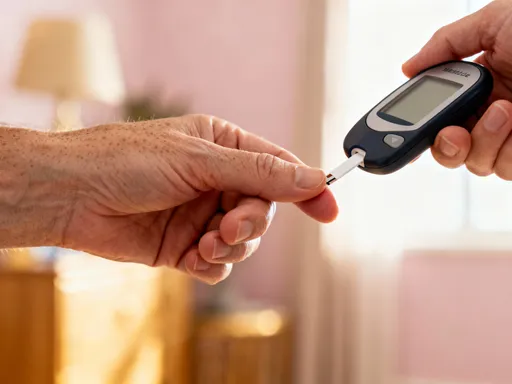
Similarly, if you’re managing chronic conditions such as diabetes, autoimmune disorders, or cardiovascular issues, it’s important to consult a healthcare provider before beginning a new exercise regimen. They can help tailor physical activity to your specific needs and ensure safety. For women experiencing hormonal imbalances — such as those related to polycystic ovary syndrome (PCOS) or thyroid dysfunction — a combination of medical care and targeted lifestyle strategies often yields the best outcomes.
Exercise should enhance well-being, not compromise it. If workouts lead to excessive fatigue, joint pain, or worsened skin symptoms, it may be a sign of overexertion or an underlying issue. Listening to your body and seeking expert advice when needed ensures that your efforts support, rather than strain, your overall health.
Remember, movement is one part of a larger picture. A balanced diet rich in antioxidants, quality sleep, stress management, and professional skincare all contribute to optimal results. Working with a team of trusted providers — including doctors, nutritionists, and fitness professionals — allows for a personalized, science-based approach that respects your unique physiology.
Movement as a Form of Self-Care
True radiance isn’t measured by flawless skin or filtered photos. It’s reflected in how you feel — strong, centered, and capable. When you move with intention, you’re not just shaping your body. You’re sending a message to yourself: I am worth the time, the effort, the care. This mindset shift is perhaps the most transformative aspect of a movement practice.
For women who often put others first — caring for children, supporting partners, managing households — carving out time to move is an act of quiet rebellion. It says that your health matters. That your vitality is not optional. And that beauty is not something you apply — it’s something you cultivate from within.
The glow you see in the mirror after weeks of consistent, mindful movement isn’t just about better circulation or reduced inflammation. It’s the visible echo of invisible changes — deeper breaths, calmer nerves, stronger muscles, and a renewed sense of agency. It’s the result of showing up for yourself, day after day, in small but meaningful ways.
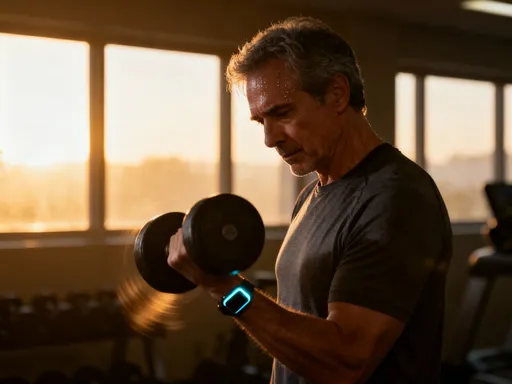
So start where you are. Walk around the block. Stretch by the window. Lift light weights while watching the news. Let each motion be a promise — to move not to punish, but to nourish. Not to chase perfection, but to honor the body you live in. Over time, that commitment will show — not just on your skin, but in your spirit. And that kind of beauty lasts far longer than any trend.